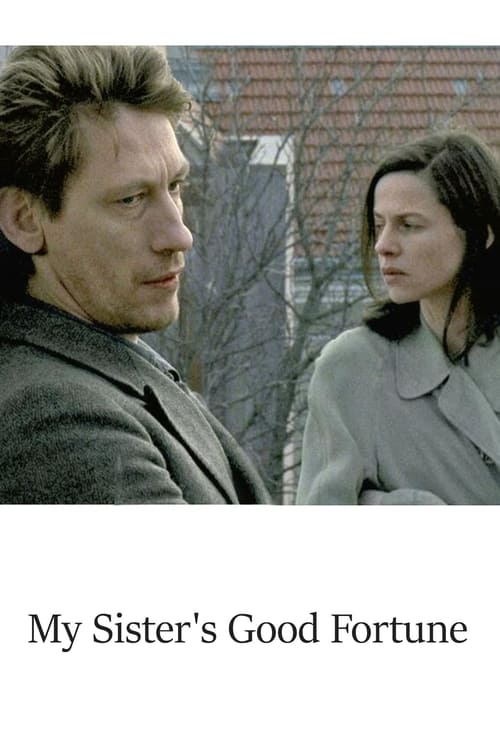
My Sister’s Good Fortune
1995
No user ratings available yet
Diversity score: 4.3 out of 10

1994
Director
Angela Schanelec
Runtime
47 minutes
Average Rating
No ratings yetSynopsis
Nadine is obsessed by a memory linked to a haunting tune she can no longer sing, until she hears someone else singing and everything falls back into place again. A melancholic observation of two young couples having difficulties trusting one another. They are full of skepticism and searching for a purpose in life.
Overall Score
Good
Category Breakdown
LGBTQ+ Representation
The film explores interpersonal complexities and trust issues within two young couples. While it avoids heteronormative romantic idealism, there is no explicit confirmation of queer identities.
Gender Representation
Nadine’s internal psychological journey centers the narrative on female subjectivity. This focus on memory and song disrupts traditional hierarchies that prioritize masculine physical agency.
Racial & Ethnic Diversity
The setting and cinematic tradition suggest a predominantly Eurocentric demographic. There is no evidence of diverse racial casting within this specific social texture of Berlin.
Religious & Cultural Diversity
The film embraces existential questioning and moral relativism. It prioritizes subjective emotional truths over conventional religious or patriotic certainties.
Disability Representation
There is no documented evidence regarding the portrayal of physical or neurodivergent disabilities in this work.
Strengths
Areas for Improvement
AI Analysis
Angela Schanelec’s film is a minimalist study of psychological fragmentation and skepticism. It avoids the optimistic resolutions of mainstream drama, focusing instead on the deconstruction of interpersonal trust and the search for purpose. The work excels at centering female subjectivity and challenging traditional social structures. By prioritizing internal emotional landscapes over external action, it offers a nuanced look at human connection. However, the film appears limited by a Eurocentric focus and lacks explicit representation of non-cisnormative identities or disabilities. It remains a deeply specific, localized observation of contemporary Berlin life.
1995

2017

2001

1999
2019

2010
1996

2023

2016

1997
2022

2004
No reviews yet. Be the first to share your thoughts on this movie!
Use the rating form above to leave a star rating and optional review.