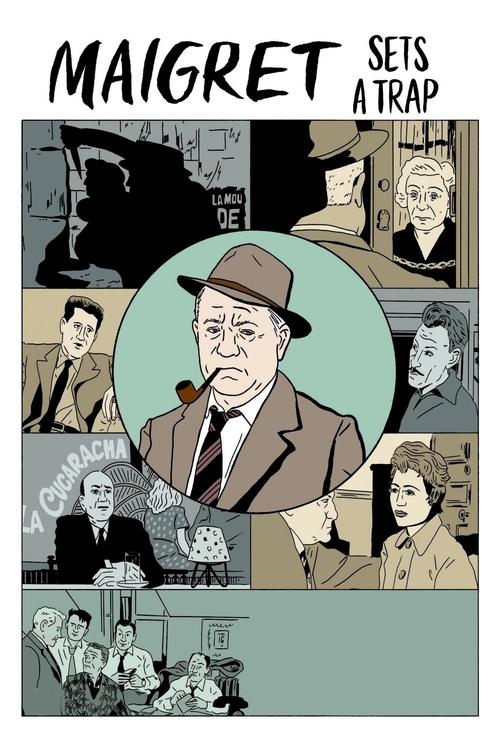
Maigret Sets a Trap
1958
No user ratings available yet
Diversity score: 1.6 out of 10

1963
Director
Gilles Grangier
Runtime
87 minutes
Average Rating
No ratings yetSynopsis
Gangsters from the United States try to kill a key government witness whose testimony could help land an influential mobster in jail. It's up to detective Maigret to deal with the FBI and a series of underworld figures to save the life of the witness...
Overall Score
Minimal
Category Breakdown
LGBTQ+ Representation
The film operates within a conventional heteronormative framework. There are no depictions of same-sex intimacy or non-cisnormative gender identities.
Gender Representation
Agency is concentrated in Inspector Maigret, a figure of patriarchal authority. Women primarily serve as subjects of investigation or victims rather than independent drivers of the plot.
Racial & Ethnic Diversity
The cast and setting are predominantly homogeneous. The narrative focuses on a localized Parisian milieu without significant engagement with non-white perspectives.
Religious & Cultural Diversity
The story reinforces Western institutional norms and the competence of state authority. It follows a standard moral trajectory common to the detective genre.
Disability Representation
Characters function within a standard able-bodied framework. There is no discernible focus on neurodivergence or physical disability as a narrative device.
Strengths
Areas for Improvement
AI Analysis
Maigret Sees Red is a quintessential example of mid-20th-century classical genre cinema. It prioritizes established social hierarchies and a homogeneous demographic lens, focusing on a polished procedural narrative. The film adheres to the traditional social mores of 1963, reinforcing the stability of legal and social orders. It lacks any significant engagement with intersectional representation or the subversion of cultural norms. Ultimately, the work serves as a period-accurate crime drama that maintains a narrow, traditional perspective on gender, race, and identity.
1958

1976

1976

1963

1957
No reviews yet. Be the first to share your thoughts on this movie!
Use the rating form above to leave a star rating and optional review.