
Ready
2008
No user ratings available yet
Representation score: 3.6 out of 10
Representation Score
Limited
2014
Director
Sriwass
Runtime
156 minutes
Average Rating
No ratings yetNew Showbiz Analysis
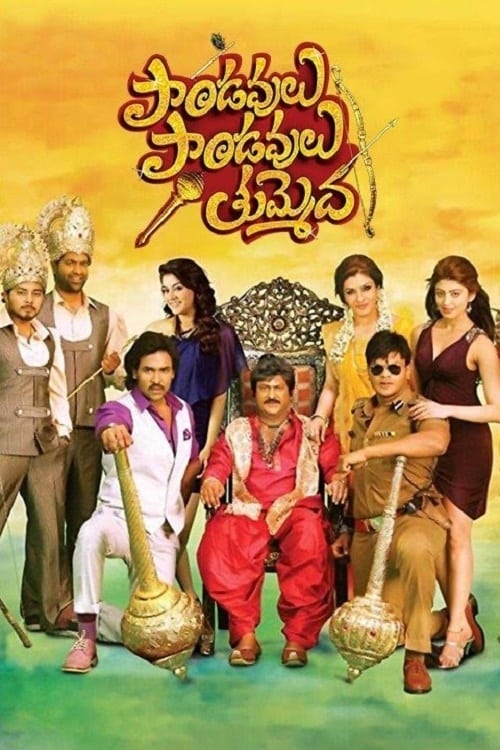
The film opens with the chaotic, high-energy presence of Naidu, a Bangkok tourist guide whose disciplined yet absurd authority anchors the narrative. This image sells a vision of patriarchal control as both comedic and moral, with Naidu’s rants against Indian political corruption providing a veneer of social critique. However, the film’s internal logic quickly reveals its traditional core: the Mahabharata allegory frames the conflict as a battle between dharma and adharma, validating the restoration of social order through the hero’s intervention. The sold meaning is that chaos, if led by a charismatic patriarch, is a form of freedom, but this freedom is strictly bounded by traditional gender and family roles. The film’s argument is tested by its treatment of women and disability. Satya’s sacrifice to raise five orphaned boys is framed as noble maternal duty, while Honey is kidnapped to force a marriage, reinforcing the idea that women’s value lies in their emotional and reproductive roles. Gopal’s stutter and Lucky’s muteness serve as comic relief, reducing disability to a quirk rather than a lived experience. These elements pull against the film’s satirical impulses, revealing a narrative that loves the hero’s chaos but ultimately upholds traditional hierarchies. The ending settles the film’s values: Naidu is vindicated, the romantic leads are united, and the villain is defeated. The last image rewards the hero’s chaotic, rule-breaking behavior with social and romantic success, punishing the antagonist for opposing the hero’s will. This moral verdict reinforces the film’s traditional core, where the patriarch’s authority and the family’s honor are the ultimate measures of success. The film’s satirical edge is blunted by its commitment to these traditional values, leaving the audience with a narrative that critiques political corruption but ultimately validates the status quo.
Category Breakdown
Romantic pairings are strictly heterosexual, with no same-sex intimacy or non-heteronormative identity depicted. The narrative treats binary gender roles as the unmarked, natural default for every character.
Women function primarily as emotional anchors or romantic prizes; Satya’s sacrifice to raise five orphaned boys is framed as noble maternal duty. Male authority remains the narrative engine, with Naidu’s discipline and the sons’ cons’ antics driving the plot.
The cast is entirely South Asian, reflecting the film’s Telugu cultural context without significant ethnic diversity. The Bangkok setting introduces a brief, superficial interaction with a local guide, but the narrative remains firmly centered on the Indian characters.
The film explicitly satirizes Indian political corruption and social inequality through Naidu’s rants, yet it ultimately reinforces traditional patriarchal structures. The Mahabharata allegory frames the conflict as a battle between dharma and adharma, validating traditional hierarchies.
Two characters, Gopal (stuttering) and Lucky (mute), have speech impairments that serve as comic relief and plot devices. Their conditions are treated as quirks to be managed or overcome by the family, without deeper exploration of the lived experience.
Present on Screen
Limited or Absent
Official Synopsis
When Naidu confronts his son's rival group to end their squabbles, he encounters their mother Satya, his long lost love. As Honey learns the secret between Naidu and Satya, she is kidnapped by her father's arch rival Suyodhana Goud, who sees an opportunity to unwillingly ensnare her into a marriage with his son. Although these unfortunate turn of events bring Naidu, Satya and their sons together, they must devise a clever escape plan for Honey in this comedy-action journey.
2008
2006

2008

2007
2014

2014

2016

2014
No reviews yet. Be the first to share your thoughts on this movie!
Use the rating form above to leave a star rating and optional review.