
Bounce
2000
No user ratings available yet
Representation score: 7.3 out of 10
Representation Score
Limited
1996
PG-13Director
Richard Benjamin
Runtime
105 minutes
Average Rating
No ratings yetNew Showbiz Analysis
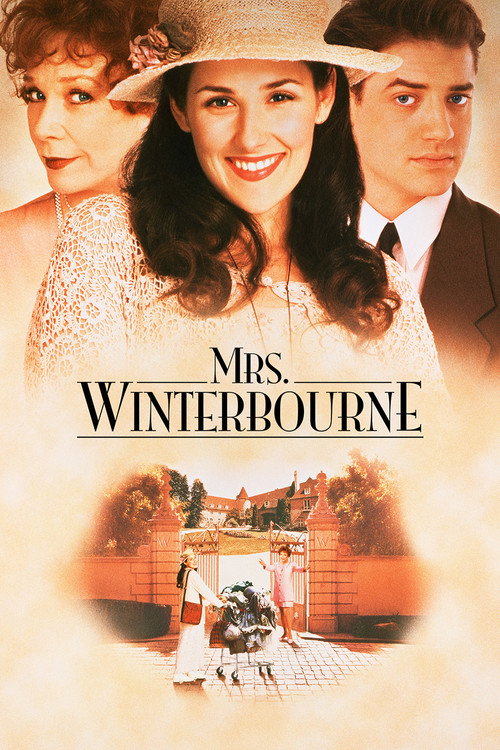
Mrs. Winterbourne is a period drama that explores the tension between personal freedom and societal expectations. It functions as a traditional character study within a specific historical context. The film delves into the power dynamics of gender and the hypocrisies of class-based social hierarchies. While it provides a feminist critique of early 20th-century constraints, it remains limited by its narrow demographic focus. Though the narrative offers a critique of societal norms, it lacks significant representation of racial or LGBTQ+ identities, reflecting the exclusivity of its time period.
Category Breakdown
The film follows traditional heterosexual relationships and family lines. There is no indication of LGBTQ+ identities or queer themes in the storyline.
Connie Doyle faces a restrictive society that suppresses her identity. Her journey revolves around gaining personal freedom and emotional strength.
The story primarily features a homogenous, white, upper-class community. It reflects the exclusive nature of its early 20th-century setting.
The film challenges the strict moral codes and reputation management of high-society institutions. It questions the validity of societal norms versus individual truths.
There are no significant portrayals of physical or neurodivergent disabilities that play a key role in the narrative.
Present on Screen
Limited or Absent
Official Synopsis
Connie Doyle is eighteen, pregnant and alone. She accidentally ends up on a train where she meets Hugh Winterbourne and his wife pregnant Patricia. The train wrecks and she wakes up in the hospital to find out that it's been assumed that she's Patricia. Hugh's mother takes her in and she falls in love with Hugh's brother Bill. Just when she thinks everything is going her way, her ex-boyfriend shows up.
2000

1951

1995

1991
1984

2009

2001

1998
No reviews yet. Be the first to share your thoughts on this movie!
Use the rating form above to leave a star rating and optional review.