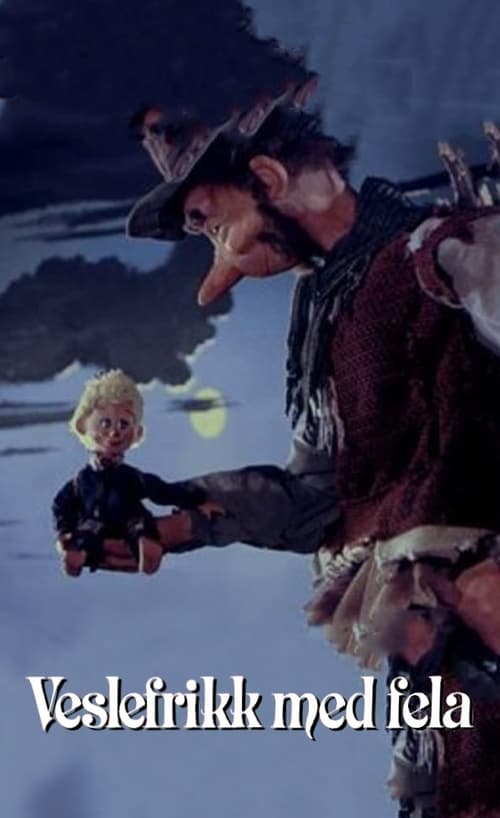
Little Frick and the Fiddle
1952
No user ratings available yet
Representation score: 2.8 out of 10
Representation Score
Limited
1976
Director
Stella Aristakesova
Runtime
7 minutes
Average Rating
No ratings yetNew Showbiz Analysis
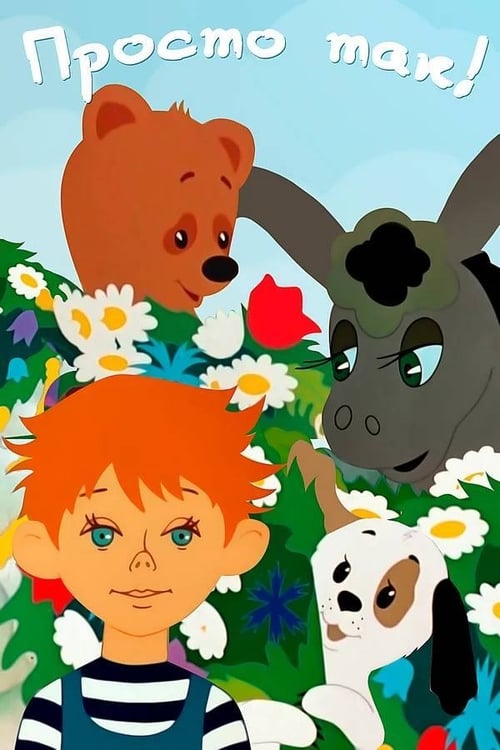
For Nothing (1976) gently deconstructs individualistic achievement. By framing kindness as a natural, systemic response, the film moves away from traditional moralizing hierarchies. The narrative's strength lies in its ability to portray a non-human entity taking a leading role. This challenges anthropocentric views of moral leadership by centering the donkey in the cycle of good. While the film excels at promoting communal values, it lacks specific representation regarding identity, race, or disability, opting instead for a universalist fable style.
Category Breakdown
The film explores interspecies interactions, creating a space outside of typical human structures. However, there are no explicit LGBTQ+ characters or identities present.
While the story centers on a young boy, the donkey drives the moral evolution. This avoids reinforcing traditional patriarchal or domestic hierarchies.
The film uses a universalist, fable-like approach. Specific racial or ethnic identifiers are not established within this nature-based setting.
The narrative promotes a collectivist morality and communalist ethos. It prioritizes natural reciprocity and selfless giving over individualistic or capitalistic gain.
There is no evidence of physical or neurodivergent disabilities being depicted in the story.
Present on Screen
Limited or Absent
Official Synopsis
The boy gave the donkey flowers and inspired him to give gifts to others. Cartoon about the cycle of good in nature.
1952
1966
1972
1974

1978

1978
1969
1977
No reviews yet. Be the first to share your thoughts on this movie!
Use the rating form above to leave a star rating and optional review.