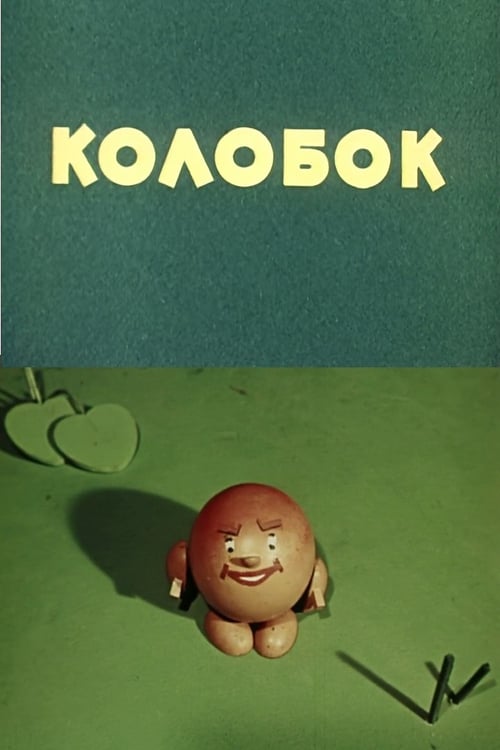
Kolobok
1956
No user ratings available yet
Representation score: 2.5 out of 10
Representation Score
Limited
1974
Director
Vitold Bordzilovskiy
Runtime
20 minutes
Average Rating
No ratings yetNew Showbiz Analysis
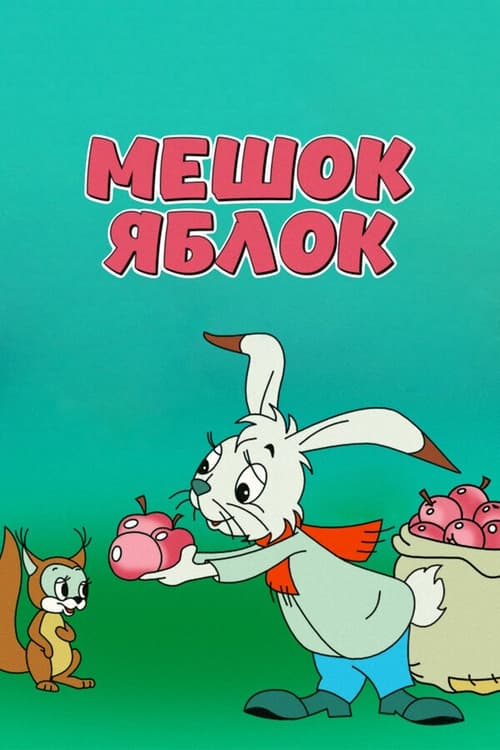
The film disrupts the traditional provider cliché by shifting focus from individualistic family preservation to a communal social framework, which leads to domestic instability. While it lacks explicit identity-based representation, such as LGBTQ+ characters or specific racial markers, it explores the complexities of social collectivism and communal resource distribution. Ultimately, the film uses its animated format to examine the tension between the sanctity of the nuclear family and the needs of the broader community.
Category Breakdown
The film does not include any queer narratives or non-straight identities. It focuses solely on a biological family unit and the forest inhabitants.
The Hare challenges the traditional idea of a strong male provider. Instead, his actions create instability for his children, questioning the typical expectations of masculinity.
The film uses anthropomorphic forest creatures to represent social diversity. Although there are no specific ethnic markers, the group embodies a communal, non-hierarchical society.
The narrative emphasizes social collectivism over the traditional nuclear family structure. It critiques Western-style family models by focusing on communal resource distribution.
There is no depiction of physical or neurodivergent characters in this work.
Present on Screen
Limited or Absent
Official Synopsis
Hare carries bag of apples for 4 sonnies and lovely daughter. But along the way he gives all apples to forest dwellers leaving his children hungry.
1956
1978
1978
1959
1990
1987
1981
1958
No reviews yet. Be the first to share your thoughts on this movie!
Use the rating form above to leave a star rating and optional review.