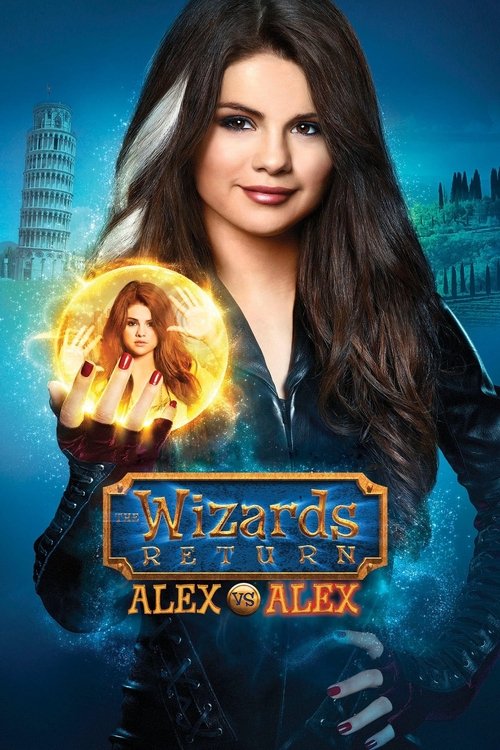
The Wizards Return: Alex vs. Alex
2013
No user ratings available yet
Representation score: 4.2 out of 10
Representation Score
Limited
2010
TV-PGDirector
Eric Bross
Runtime
86 minutes
Average Rating
No ratings yetNew Showbiz Analysis
The film functions as a conventional family comedy that prioritizes genre clichés over social subversion. While the move to Romania provides a change of scenery, the narrative remains anchored in a Western-centric lens with a homogeneous cast. Representation is largely superficial, using cultural settings for atmosphere rather than character depth. The lack of diverse identities or nuanced depictions of disability keeps the social framework very traditional. Ultimately, the movie adheres to established Disney Channel-style structures, focusing on adolescent discovery within a standard, predictable social hierarchy.
Category Breakdown
The film operates within a traditional framework that assumes everyone is straight or cisgender. There are no LGBTQ+ characters or explorations of non-traditional gender identities.
The protagonist Jordan drives the plot, but the film relies on standard teen clichés. Female characters appear in supporting roles that align with conventional archetypes.
The cast remains largely homogeneous despite the shift to Romania. Diversity is primarily atmospheric rather than character-driven, lacking significant blending of different backgrounds.
The story focuses on supernatural folklore and the outsider experience. It follows a traditional morality structure without engaging in broader social critiques.
There are no prominent depictions of physical or neurodivergent disabilities. The lycanthropy curse serves as a supernatural plot device rather than a nuanced exploration of lived experience.
Present on Screen
Limited or Absent
Official Synopsis
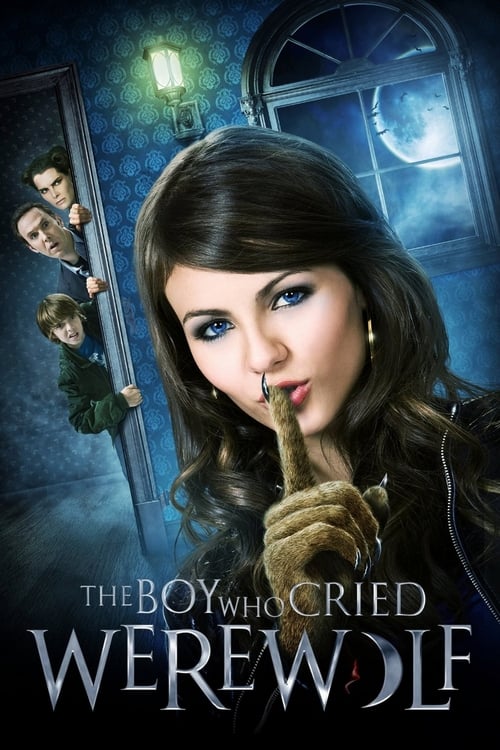
A Californian family inherits a castle in Romania. This is especially exciting to the son, who is obsessed with monsters. And he is not disappointed.
2013
2004
2000
2003
2014
1999
1998
2001
No reviews yet. Be the first to share your thoughts on this movie!
Use the rating form above to leave a star rating and optional review.