
Dry Wood
1973
No user ratings available yet
Representation score: 5.8 out of 10
Representation Score
Fair
1984
Director
Robert Parrish, Bertrand Tavernier
Runtime
96 minutes
Average Rating
No ratings yetNew Showbiz Analysis
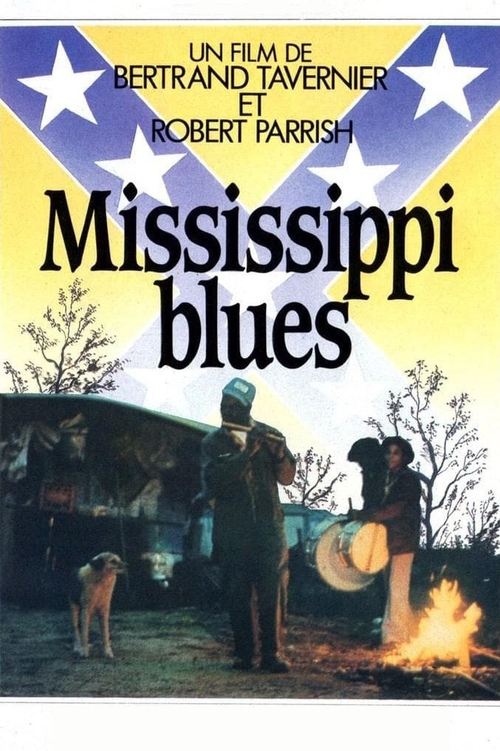
Mississippi Blues is a documentary that shines by focusing on Black cultural heritage. By centering the spiritual and musical traditions of the Mississippi Delta, the film shifts away from traditional Western narratives to highlight the ability to act of the Black community. While the film excels in racial and cultural representation, it lacks depth in other identity areas. The focus remains strictly on the intersection of music and religion, leaving little room for exploring gender dynamics or LGBTQ+ identities. Ultimately, the film serves as a meaningful study of social realism. It uses the blues and gospel traditions to explore themes of resistance and survival within a specific cultural landscape.
Category Breakdown
The film does not include any visible LGBTQ+ character arcs or non-cisgender identities.
The documentary highlights both male and female voices in the musical and social context. However, it does not specifically address the roles or ability to act of female subjects.
By focusing on Black churches and the Mississippi Delta, the film centers on the ability to act and experiences of Black individuals, challenging traditional Anglo-centric views.
The film examines the Black church and the Mississippi Delta to critique systemic issues. It emphasizes local heritage and survival through blues and gospel traditions.
The film does not provide any discernible portrayal of physical or neurodivergent disabilities.
Present on Screen
Limited or Absent
Official Synopsis
The two directors meander through rural Mississippi in search of the spirit of local music and society. Highlights the heritage of William Faulkner, the role of Black churches, and gospel and blues music.
1973
2018
1992

2017

1973

1999
1983
1970
No reviews yet. Be the first to share your thoughts on this movie!
Use the rating form above to leave a star rating and optional review.