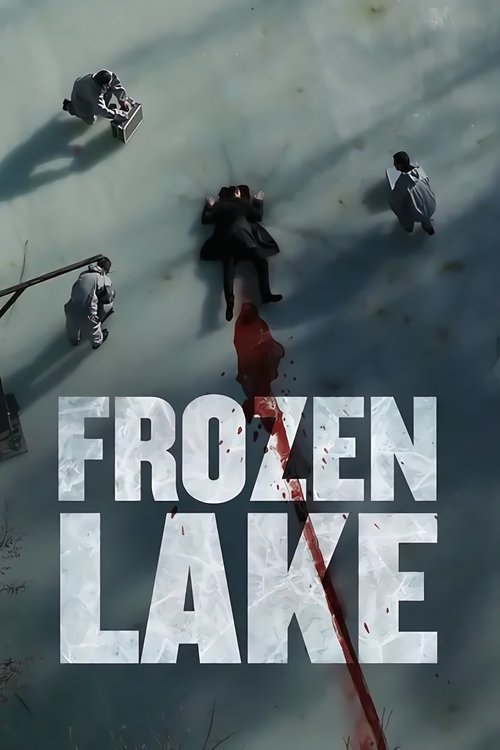
Frozen Lake
2015
No user ratings available yet
Representation score: 1.4 out of 10

Representation Score
Good
2016
Director
Till Endemann
Average Rating
No ratings yetNew Showbiz Analysis
The film offers a moderate level of representation by centering a female protagonist with intellectual authority. Solveig Karlsdottir's ability to act as a writer provides a departure from standard genre clichés. However, the production lacks depth in representing different parts of someone's identity. The setting remains demographically homogeneous, and there is no visible engagement with LGBTQ+ identities or multi-ethnic casting. While the film successfully tackles complex themes like cognitive decline and institutional skepticism, these elements are balanced against a lack of broader social diversity.
Category Breakdown
The film does not explicitly address LGBTQ+ identities or narratives that challenge the assumption that everyone is straight or cisgender.
Solveig Karlsdottir, a successful crime writer, plays a significant role in driving the story with her intellect. She disrupts traditional hierarchies where women are often relegated to supportive roles.
The film is set in a localized, homogeneous Icelandic village. There is no evidence of a multi-ethnic cast or the intentional blending of diverse racial identities.
The film explores skepticism toward authority by questioning official conclusions. It also examines the complexities of caregiving and the fragility of the domestic unit through dementia.
The story incorporates neurocognitive disability through Margret, who suffers from dementia. This inclusion highlights the impact of chronic illness on familial structures.
Present on Screen
Limited or Absent
Official Synopsis
Crime writer Solveig Karlsdottir is pretty successful - although that's not particularly easy in Iceland. After all, with only two murders a year in the entire country, there aren't many sources of inspiration, but she makes up for this with a lot of imagination and her special feeling for things that aren't quite right. And this feeling kicks in strongly when she travels from Reykjavik to her old home village to look after her mother Margret, who is suffering from dementia. When an old friend from her youth is found dead at the harbor, she doesn't believe the official conclusion that it was an accident.
2015
2015
2018
2014
2017

2019
2020
2015
No reviews yet. Be the first to share your thoughts on this movie!
Use the rating form above to leave a star rating and optional review.