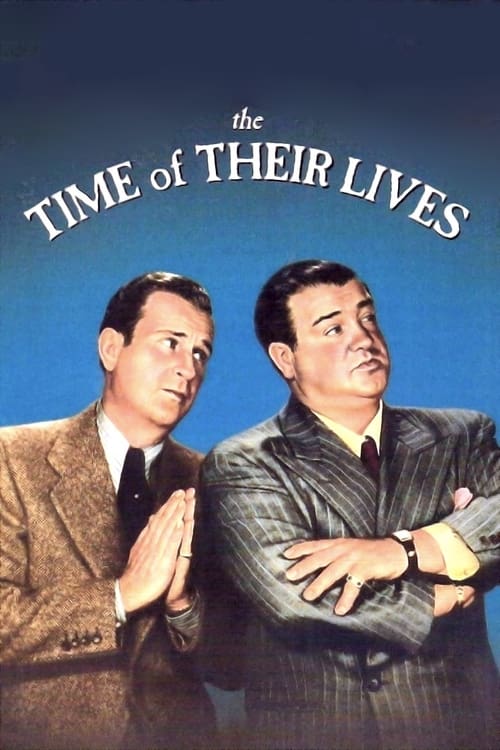
The Time of Their Lives
1946
No user ratings available yet
Diversity score: 2.3 out of 10

1959
Director
Rogelio A. González
Runtime
92 minutes
Average Rating
No ratings yetSynopsis
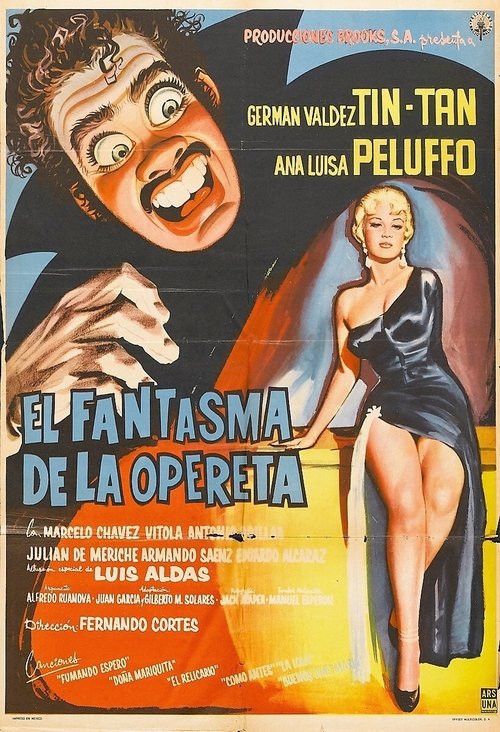
Two ghosts who died in a turn-of-the-century duel and now haunt a theater attempt to help a girl who's in danger from bank robbers.
Overall Score
Limited
Category Breakdown
LGBTQ+ Representation
The film offers no evidence of non-cisnormative identities. The narrative focuses on a traditional central figure and supernatural conflict, adhering to the conventional social norms of the era.
Gender Representation
The female protagonist is positioned as a figure in need of protection. This reflects mid-century tropes where the primary plot tension stems from threats posed to the female lead.
Racial & Ethnic Diversity
As a Mexican production, the film centers a non-Anglo-Saxon cast. This provides a regional perspective that disrupts the Hollywood-centric hegemony of the 1950s.
Religious & Cultural Diversity
The story follows a standard morality play structure where protagonists thwart criminals. It reinforces traditional social order rather than deconstructing institutional power dynamics.
Disability Representation
There is no documented evidence regarding the portrayal of physical or neurodivergent disabilities in this work.
Strengths
Areas for Improvement
AI Analysis
Two Ghosts and a Girl is a mid-century Mexican genre hybrid that blends comedy, fantasy, and horror. While it provides a non-Western cultural lens through its regional origin, the narrative remains tethered to the traditional moral and gendered tropes of the late 1950s. The film functions as a representative specimen of its era, utilizing established narrative architectures. It prioritizes imaginative escapism and genre conventions over social realism or subversive critiques. Ultimately, the work reflects the commercial structures of Golden Age Mexican cinema, focusing on supernatural intervention and traditional hero-versus-criminal dynamics.
No reviews yet. Be the first to share your thoughts on this movie!
Use the rating form above to leave a star rating and optional review.