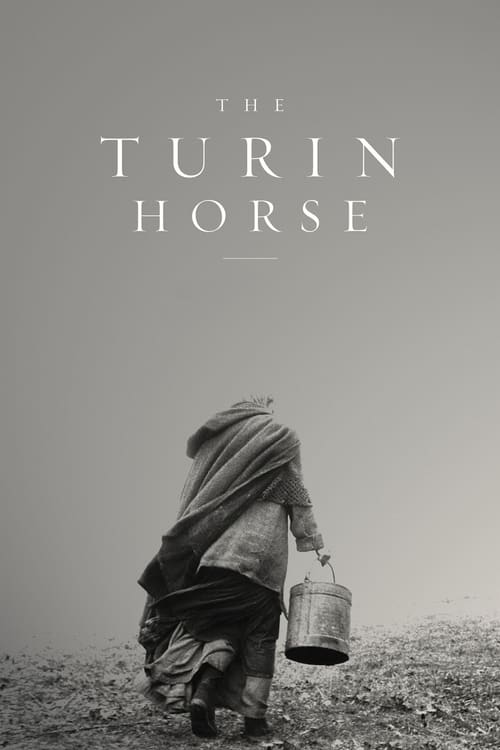
The Turin Horse
2011
No user ratings available yet
Diversity score: 3.5 out of 10

1995
Director
Béla Tarr
Runtime
35 minutes
Average Rating
No ratings yetSynopsis
Revisits of locations on the Great Hungarian Plain - the puszta - that were used in Tarr's Sátántangó and Werckmeister harmóniák. Recitations of short lyric poems by Hungary's national poet Sándor Petofi.
Overall Score
Limited
Category Breakdown
LGBTQ+ Representation
The film lacks LGBTQ+ characters or non-heteronormative identities. The narrative focuses on a primal struggle for survival that leaves no room for queer dynamics.
Gender Representation
Women show significant psychological endurance within a bleak, patriarchal framework. However, the film adheres to traditional gender hierarchies and masculine authority without subversion.
Racial & Ethnic Diversity
The cast is ethnically homogeneous, reflecting the historical demographic of the Hungarian plains. This maintains authenticity but offers no contemporary intersectional diversity.
Religious & Cultural Diversity
The film engages with moral relativism by stripping away institutional authority. It prioritizes situational ethics and existentialism over organized religious or state-driven morality.
Disability Representation
There is no explicit focus on neurodivergence or physical disability. Physical exhaustion is presented as a universal human condition rather than a specific exploration of identity.
Strengths
Areas for Improvement
AI Analysis
Béla Tarr’s work is a profound existential inquiry rather than a vehicle for social representation. The film prioritizes ontological decay and the human condition over the deconstruction of modern identity politics. The low diversity score stems from a strict adherence to historical homogeneity and traditional gender roles. While the film is artistically significant, it does not challenge the social constraints of its setting. However, the film finds depth in its rejection of structured social order. By focusing on material scarcity, it creates a complex, subjective ethical landscape that transcends simple moral binaries.
2011

2001
1994
1982

1979
1984
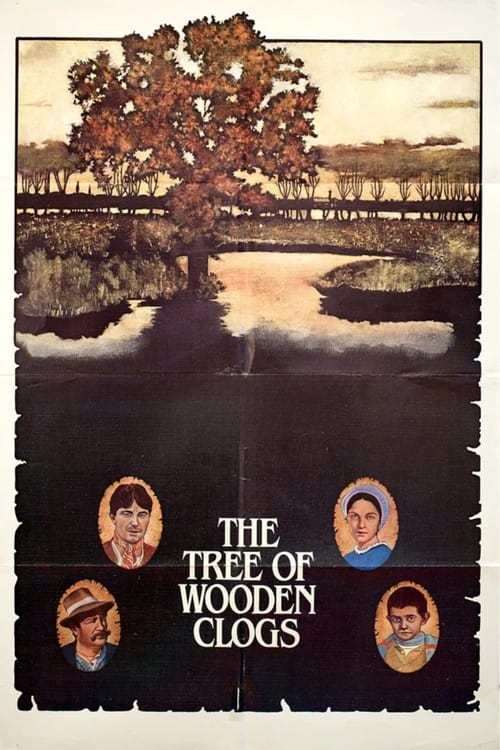
1978
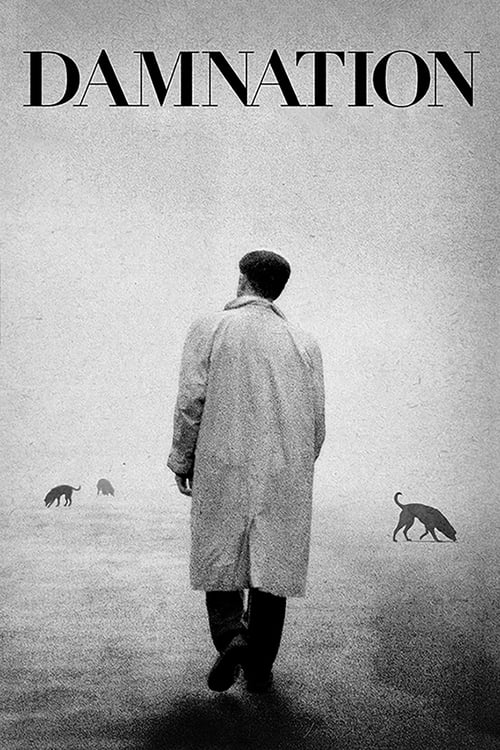
1988
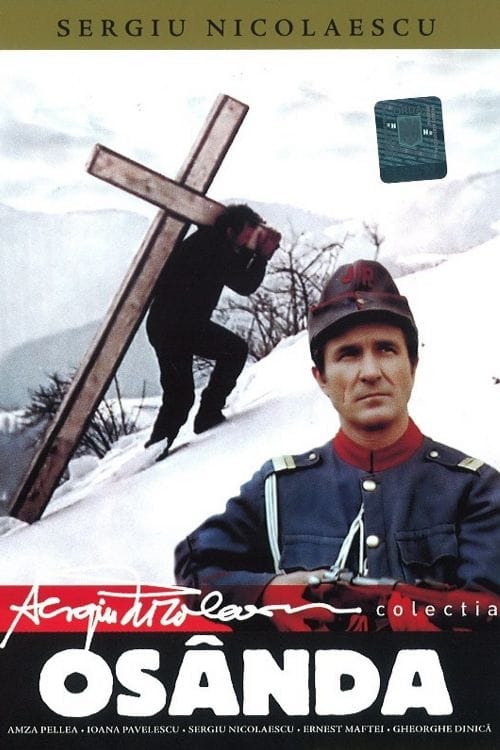
1976
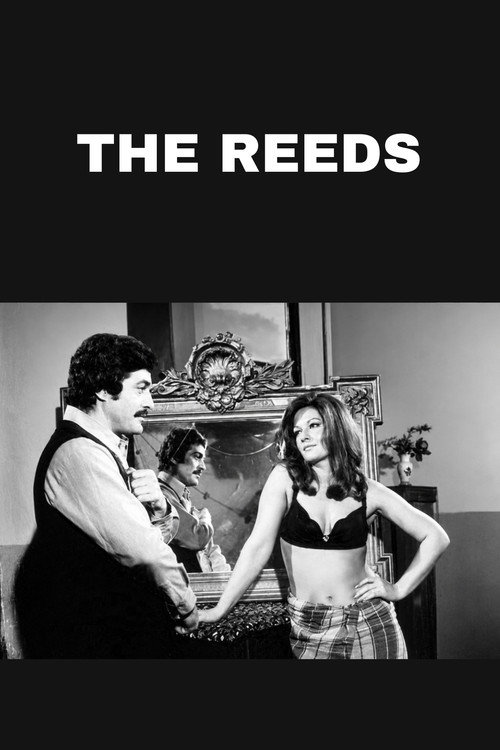
1975
1973

1997
No reviews yet. Be the first to share your thoughts on this movie!
Use the rating form above to leave a star rating and optional review.