
If Looks Could Kill
1986
No user ratings available yet
Representation score: 0.8 out of 10

Representation Score
Limited
1993
RDirector
John McPherson
Runtime
97 minutes
Average Rating
No ratings yetNew Showbiz Analysis
Fade to Black is a conventional psychological thriller that prioritizes genre-specific tension over diverse representation. The story centers on a singular male protagonist's descent into paranoia, leaving little room for diverse perspectives. The film's architecture focuses on individual psychological collapse rather than exploring identity politics or systemic power dynamics. It adheres to traditional casting and narrative norms common to the horror and thriller genres of its era. Ultimately, the work lacks the breadth required to challenge social hierarchies, functioning instead as a localized study of psychological disintegration.
Category Breakdown
The film operates within a traditional framework that assumes everyone is straight or cisgender. There is no evidence of LGBTQ+ identities or same-sex intimacy.
The narrative focuses almost exclusively on the male experience of isolation. Female characters lack the ability to act necessary to challenge conventional gender roles.
The film appears to be a localized study within a remote Australian setting. It lacks evidence of a diverse or non-Anglo-Saxon majority cast.
The plot follows standard thriller clichés rather than challenging Western institutions. It does not prioritize secularism or critique the nuclear family.
Mental instability functions primarily as a plot device for tension. Characters with neurodivergence are not portrayed with high ability to act or complexity.
Present on Screen
Limited or Absent
Official Synopsis
A professor accidentally records the murder of a neighbor on videotape and finds himself framed for the crime.
1986
1990

1992
1994

1991
1971
1985
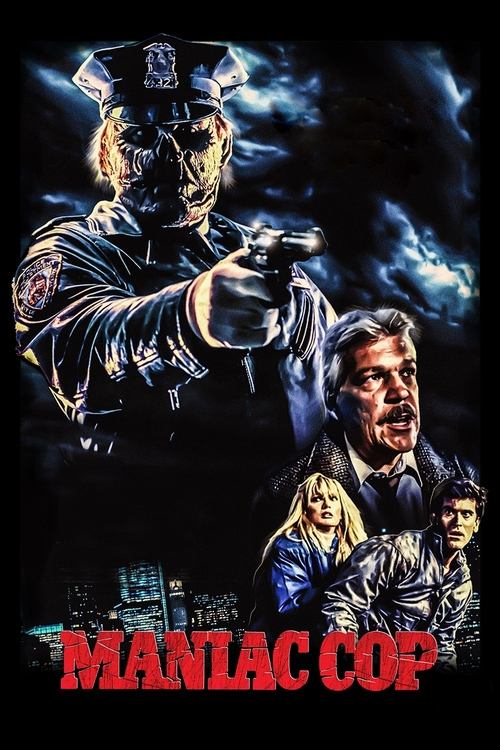
1988
No reviews yet. Be the first to share your thoughts on this movie!
Use the rating form above to leave a star rating and optional review.