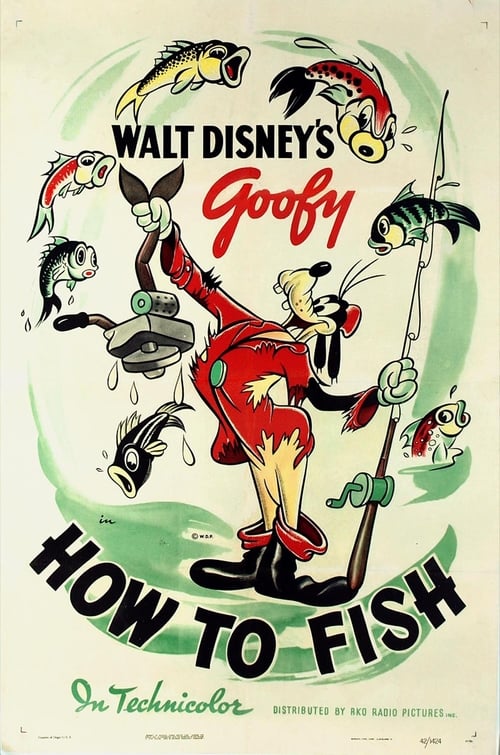
How to Fish
1942
No user ratings available yet
Diversity score: 1.3 out of 10
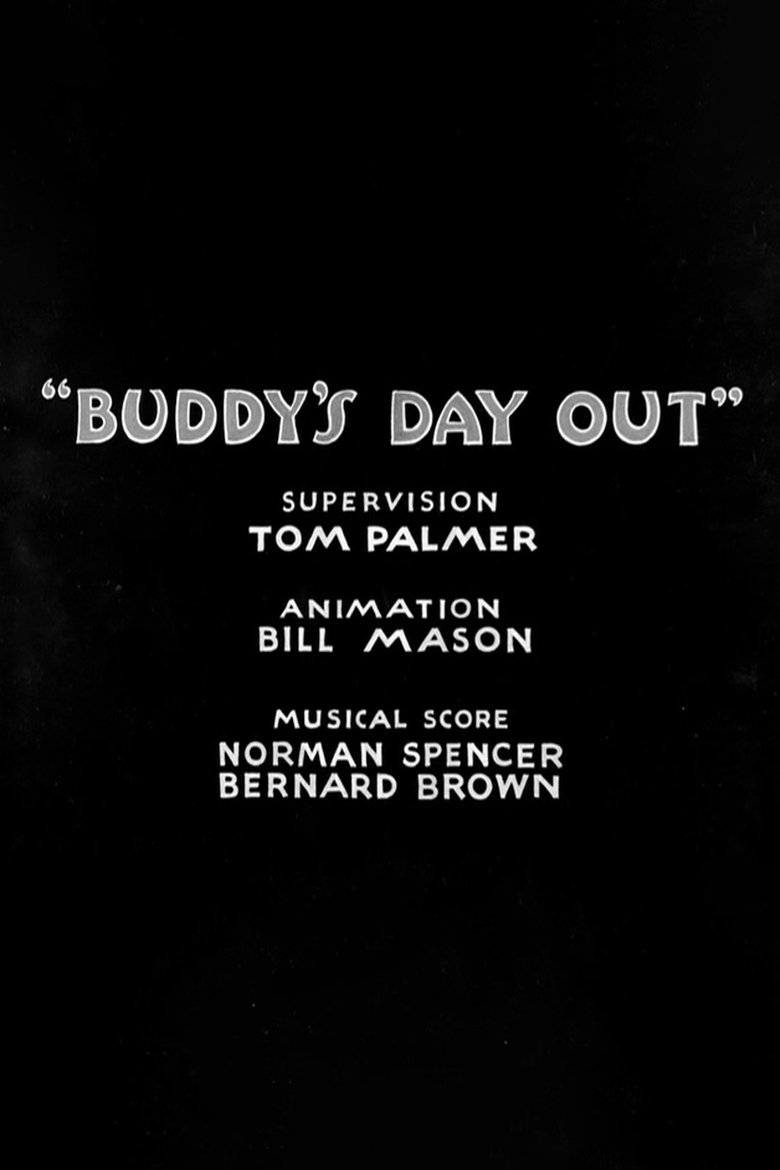
1933
Director
Tom Palmer
Runtime
7 minutes
Average Rating
No ratings yetSynopsis
This cartoon has some amusing sight gags like a car going back through a fence and crashing into various animals before landing in Cookie's yard or a train that seems on its way into crashing into a car with Elmer and Happy inside when Buddy and Cookie use a ladder to derail the locomotive in another direction.
Overall Score
Minimal
Category Breakdown
LGBTQ+ Representation
The film contains no evidence of non-heteronormative identities or same-sex intimacy. The narrative focuses entirely on physical comedy and sight gags.
Gender Representation
Characters like Elmer, Happy, Buddy, and Cookie function primarily as vessels for kinetic movement. There is no evidence of nuanced gendered agency or subversion of traditional hierarchies.
Racial & Ethnic Diversity
There is no indication of a diverse cast or characters of color. The synopsis provides no information regarding non-Anglo-Saxon representation.
Religious & Cultural Diversity
The film aligns with traditional early-century comedic tropes. It lacks the complexity needed to engage with critiques of religion, capitalism, or systemic oppression.
Disability Representation
There is no evidence of characters with visible or invisible disabilities. The comedic framework does not address neurodivergence or physical impairments.
Strengths
Areas for Improvement
AI Analysis
Buddy's Day Out is a quintessential example of early sound-era slapstick animation. The narrative is built around kinetic energy and environmental chaos, such as vehicular mishaps and locomotive derailments, rather than character-driven social commentary. Because the film prioritizes situational humor and physical gags, it lacks the depth required to explore identity or systemic structures. The characters serve the comedy rather than representing specific social or cultural perspectives. Ultimately, the work functions within the standard entertainment paradigms of 1933, offering little to no intentionality regarding intersectional representation or the disruption of social hierarchies.
1942
1937
1938
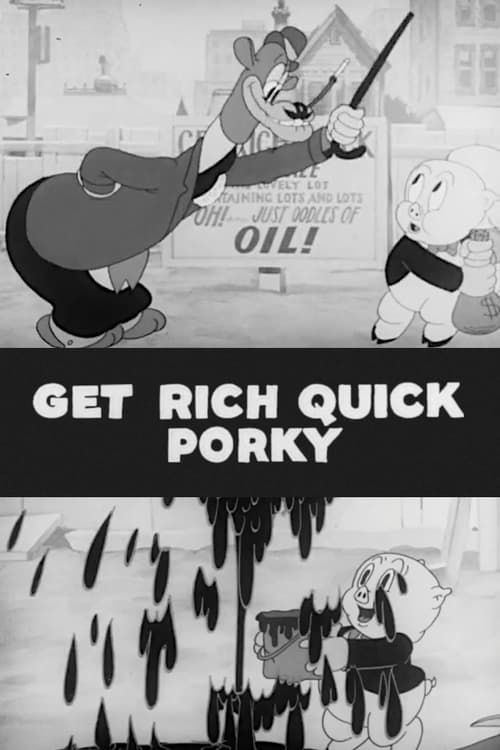
1937
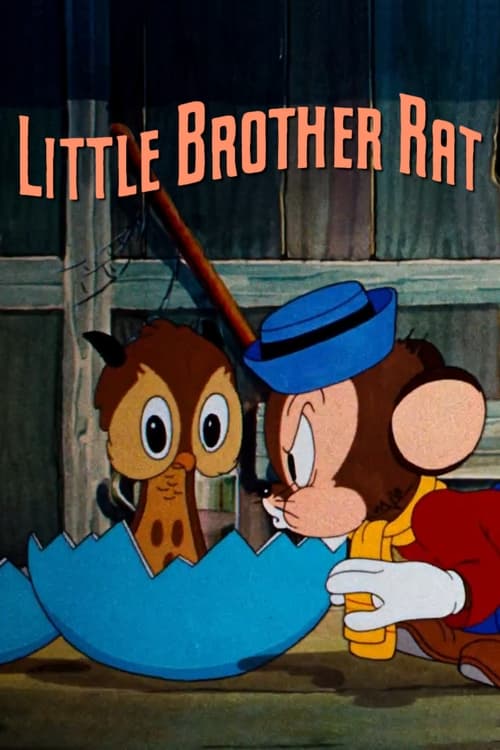
1939
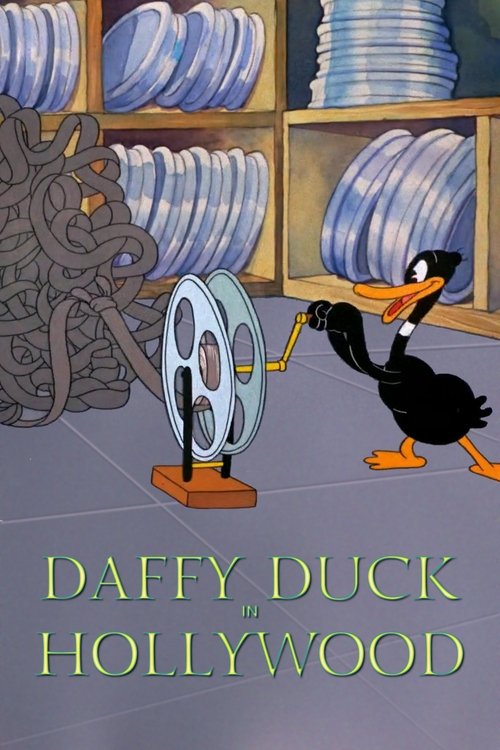
1938
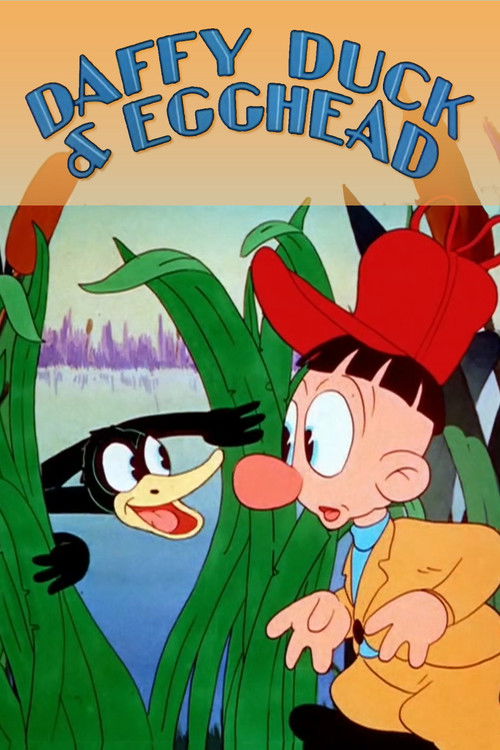
1938
1937
1940
1941

1936
No reviews yet. Be the first to share your thoughts on this movie!
Use the rating form above to leave a star rating and optional review.