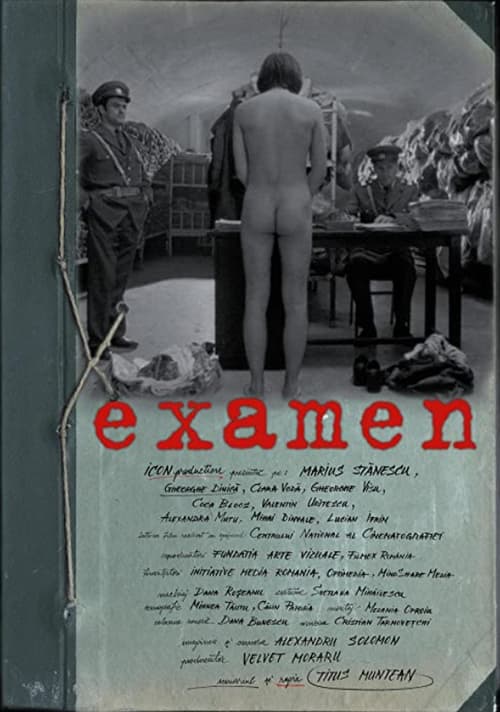
Exam
2003
No user ratings available yet
Representation score: 3.5 out of 10

Representation Score
Limited
2014
Director
Anatol Durbală
Runtime
73 minutes
Average Rating
No ratings yetNew Showbiz Analysis
What a Wonderful World is a socio-political drama that prioritizes the exploration of justice over demographic inclusivity. It effectively highlights the breakdown of due process through a protagonist's vulnerability. The film's strength lies in its deconstruction of state-mandated morality and the volatility of power. However, it lacks diversity in terms of gender, sexual orientation, and racial plurality. Ultimately, the work functions as a study of individual ability to act versus state authority, grounded in the specific historical reality of Moldova.
Category Breakdown
The film does not include any LGBTQ+ characters or stories about non-straight identities.
The story focuses on a male protagonist and a male interrogator. It explores power dynamics but does not specifically address women's ability to drive the story or subverted gender roles.
The story takes place in a localized, ethnically homogeneous Moldovan setting. It uses specific cultural and ethnic identities to critique post-Soviet political structures.
The film critiques authoritarianism and corrupt communist institutions. It emphasizes themes of systemic injustice and the struggle for individual freedom against established political orders.
There is no documented evidence of the portrayal of physical or neurodivergent disabilities within the film.
Present on Screen
Limited or Absent
Official Synopsis
After two years spent as a student in Boston, a 22-year-old visits his native Moldova. It is April 2009. People gather in the streets of Chisinau, the call having spread through social networking sites. They are demonstrating against the communist authorities who falsified the election results. They seize and plunder the parliament and presidential buildings. The demonstrators carry away documents, furniture and office equipment. Our protagonist is coming from a friend's home carrying his own computer monitor. He is mistaken for a demonstrator, brutally beaten up by the police and taken to the police station. His interrogator is an experienced major. The authorities can do anything. Based on real events, the film asks questions about freedom, justice and the price of human life.
2003
2012

2022

2013

2013
2015
2010

2019
No reviews yet. Be the first to share your thoughts on this movie!
Use the rating form above to leave a star rating and optional review.