
El Cinco
2014
No user ratings available yet
Representation score: 4.7 out of 10
Representation Score
Fair
1998
Director
Fernando Vendrell
Runtime
77 minutes
Average Rating
No ratings yetNew Showbiz Analysis
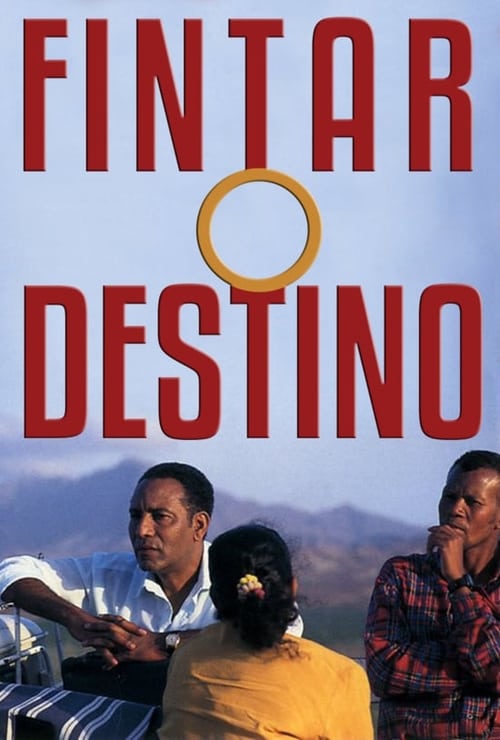
Dribbling Fate stands out for its commitment to regional storytelling, successfully moving the camera away from Eurocentric centers to focus on a Cape Verdean landscape. By centering a Black protagonist’s history and athletic excellence, the film provides a vital departure from mainstream sports dramas. However, the film remains anchored to conventional social structures. The characterization of women is limited to domestic roles, and the lack of queer visibility keeps the narrative within a traditional framework. Ultimately, the film’s strength lies in its cultural specificity, even as it navigates complex post-colonial relationships through its connection to Portuguese football.
Category Breakdown
The film does not include any explicit LGBTQ+ identities or relationships that go beyond the assumption that everyone is straight or cisgender. The story focuses on the heterosexual marriage between Mane and Lucy.
Gender roles follow traditional hierarchies, with Mane as the central figure facing an existential crisis. Lucy primarily supports him in a domestic role.
The film excels by centering a Cape Verdean protagonist in Mindelo. It challenges Western-centric sports clichés by highlighting a Black protagonist’s athletic legacy.
The story explores cultural hybridity through the connection between Cape Verde and Portuguese institutions. It offers a nuanced look at individual passion versus systemic pressures.
There is no evidence within the narrative regarding the depiction of physical or neurodivergent disabilities.
Present on Screen
Limited or Absent
Official Synopsis
Life has moved too fast for Mane. at the age of 50 he watches the slow sacrifice of his ideals. His wife, Lucy, has locked him in to a daily routine. His work in a small commercial shop and grocer's has worn him out. His dreams have evaporated into the drought of the beaten earth of Mindelo. Now forgotten, with his past as a great football player for Mindelense, in St Vincent in Cape Verde, he only has the belated compassion of his friends, neighbours, and cafe companions: "He was important", "He was the keeper in Cape Verde", "He could have played for Benfica!" Mane rejects the loss of his status as a hero. When training a youth team he sees himself again in KALU, a rebellious but talented youth. He is guided by a whirlwind of thoughts; he was also young, had opportunities, felt the sting of love and wasted his flame. A beaten leather ball shines in his hands once again, Benfica, his club, calls him to the Portuguese Cup Final.
2014

1963
1998

2023

2024

2008
1988

2006
No reviews yet. Be the first to share your thoughts on this movie!
Use the rating form above to leave a star rating and optional review.