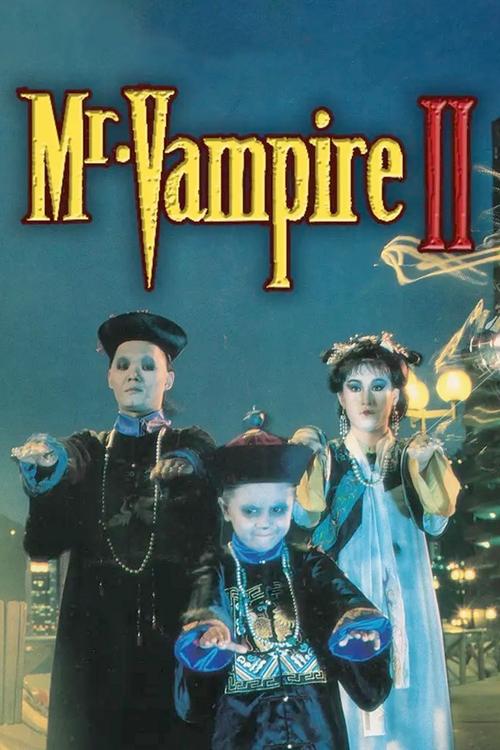
Mr. Vampire II
1986
No user ratings available yet
Diversity score: 4.2 out of 10

1987
Director
Ricky Lau
Runtime
92 minutes
Average Rating
No ratings yetSynopsis
The Vampire Master joins forces with another fellow priest with his two pet ghosts along for the ride to defeat an evil witch and her henchman, whose goals are to defeat the human race. The priests must also overcome the odds of the separation between humans and ghosts.
Overall Score
Limited
Category Breakdown
LGBTQ+ Representation
The film contains no discernible LGBTQ+ characters or romantic pairings. The social landscape remains strictly traditional, focusing on interactions between humans and supernatural entities within a conventional structure.
Gender Representation
The narrative centers on male Taoist priests and martial artists who drive the plot through combat. Female characters occupy peripheral or reactive roles, often serving as subjects of conflict rather than agents.
Racial & Ethnic Diversity
The cast and setting are predominantly ethnically Chinese, reflecting regional folklore. While it lacks intersectional racial blending, it provides a culturally authentic representation of its specific era and setting.
Religious & Cultural Diversity
The film is deeply embedded in Taoist traditions, celebrating religious authority and ritualistic tools. It reinforces spiritual hierarchies and the mastery of ancient traditions to maintain cosmic order.
Disability Representation
There is no significant focus on neurodivergence or physical disability as a theme of agency. Supernatural irregularities are framed through horror tropes rather than nuanced depictions of lived experience.
Strengths
Areas for Improvement
AI Analysis
Mr. Vampire III functions as a traditional folk-horror comedy that prioritizes the reinforcement of established spiritual and social hierarchies. The plot relies on the expertise of male religious authorities to combat supernatural chaos. While the film offers cultural authenticity through its Taoist mythology, it lacks intersectional complexity. It operates within a conservative narrative framework that validates traditional masculine roles and religious institutions rather than subverting them.
1986

1991
1994
1988

2008
1989
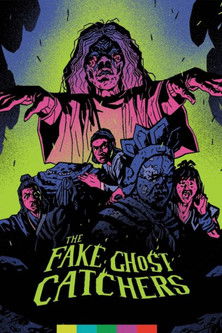
1982
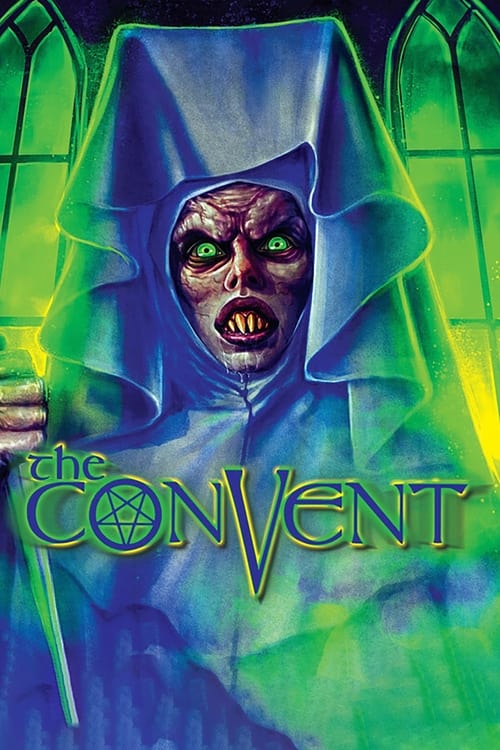
2000
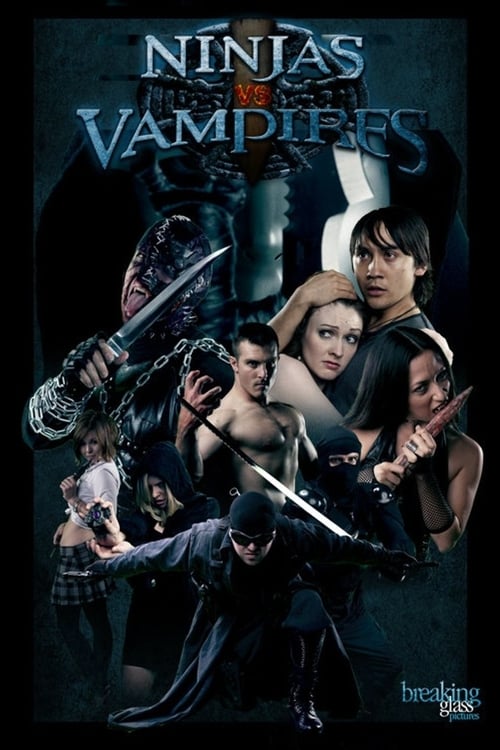
2010
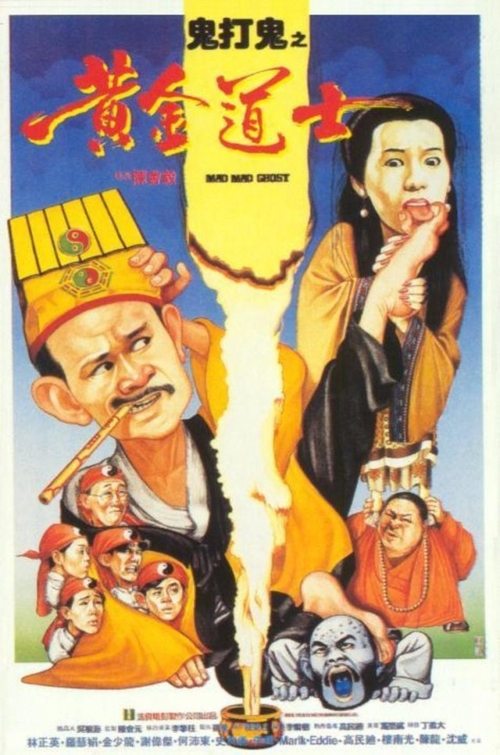
1992
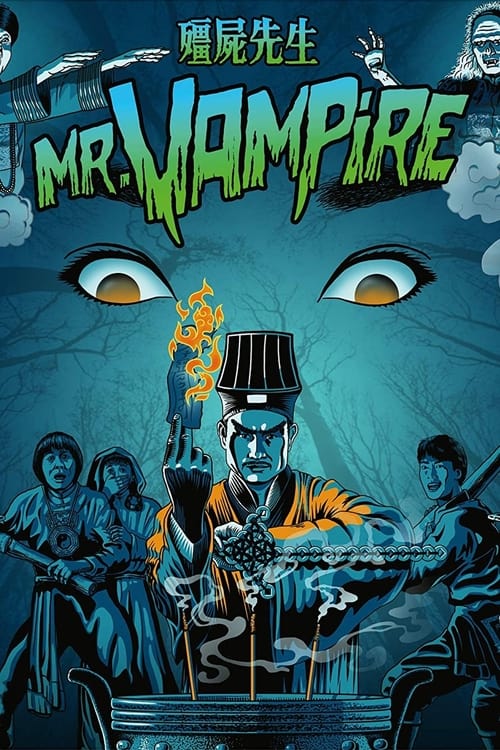
1985
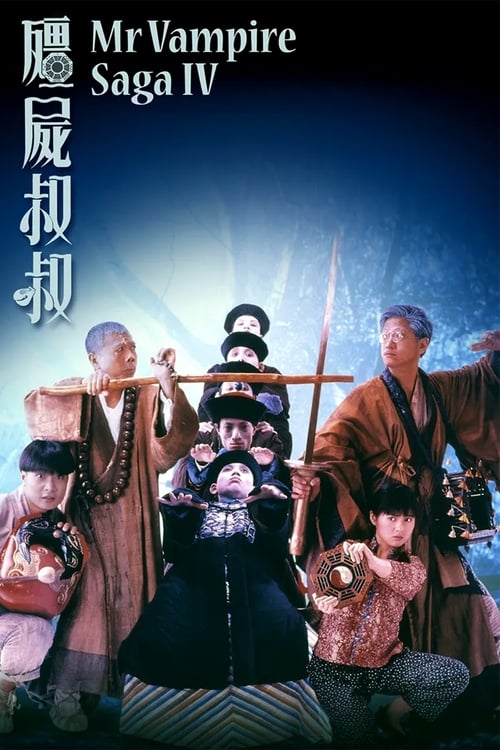
1988
No reviews yet. Be the first to share your thoughts on this movie!
Use the rating form above to leave a star rating and optional review.