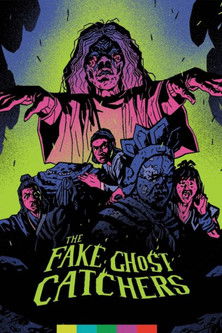
The Fake Ghost Catchers
1982
No user ratings available yet
Representation score: 3.1 out of 10
Representation Score
Limited
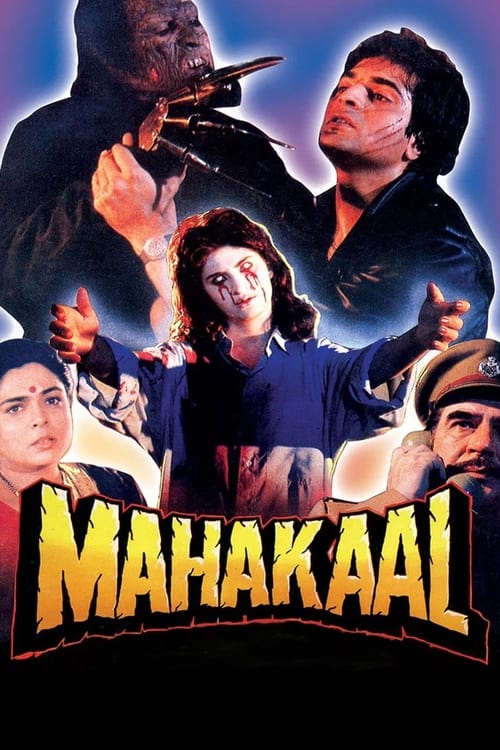
1994
Not RatedDirector
Shyam Ramsay, Tulsi Ramsay
Runtime
132 minutes
Average Rating
No ratings yetNew Showbiz Analysis
Mahakaal is a classic example of 1990s Indian horror that prioritizes genre spectacle over social commentary. The Ramsay brothers focus on supernatural clichés and stylized action, sticking to the cinematic conventions of their time. The narrative revolves around a cycle of vengeance involving a demon and a police officer's family. Although it features a female lead, the story remains anchored in traditional morality and patriarchal dynamics rather than exploring identity politics. Ultimately, the film serves as a standard genre piece. It lacks the intentionality needed to address systemic power or provide nuanced, multi-layered representation.
Category Breakdown
The film does not include any LGBTQ+ characters or stories. It focuses on traditional horror elements that don't involve non-straight identities or relationships between same-sex individuals.
The main character, Anita, is a woman, but the story is driven by patriarchal structures and her father's actions. The film follows typical gender clichés rather than challenging gender hierarchies.
The cast is mainly South Asian, reflecting the Bollywood market of 1994. The film does not use diverse casting to break historical norms.
The story relies on traditional beliefs about karma and supernatural punishment. It adheres to conventional cultural frameworks without exploring secular or anti-Western themes.
There is no information about the depiction of physical or neurodivergent disabilities. None of the characters have such traits.
Present on Screen
Limited or Absent
Official Synopsis
A demon torments the family and friends of Anita in order to take revenge on his death, which was caused by her police-officer father.
1982
2008
1988
2018
2000
1989
1985
1999
No reviews yet. Be the first to share your thoughts on this movie!
Use the rating form above to leave a star rating and optional review.