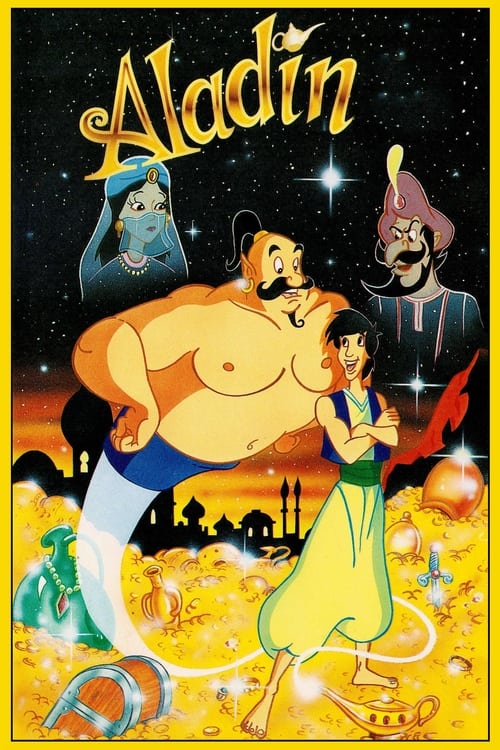
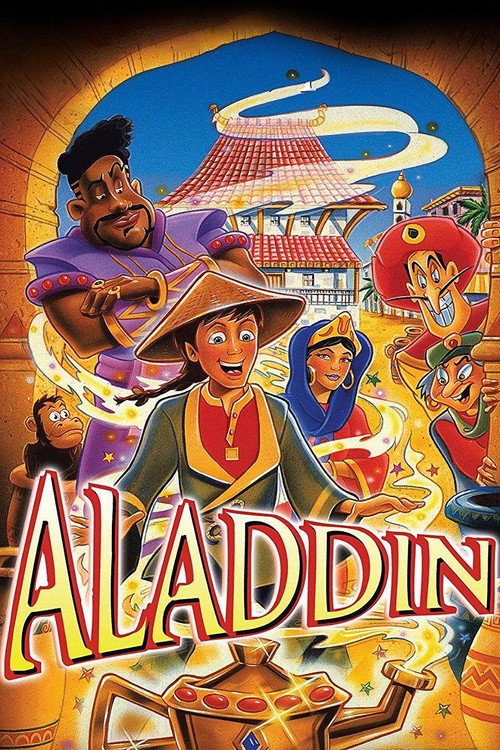
Aladdin
1992
No user ratings available yet
Representation score: 1.9 out of 10
Representation Score
Good
1992
Director
Timothy Forder
Runtime
74 minutes
Average Rating
No ratings yetNew Showbiz Analysis
Aladdin succeeds in challenging traditional gender roles through Jasmine's refusal to submit to institutionalized matrimonial expectations. The film also offers a nuanced look at class mobility and the struggle for individual control against rigid social hierarchies. However, the film's progressiveness is limited by a lack of LGBTQ+ and disability representation. The racial depiction, while non-white, remains tethered to stylized Orientalist aesthetics rather than deep cultural realism. Ultimately, the film's strength lies in its focus on liberation from systemic bondage, even as it operates within a traditional moral framework.
Category Breakdown
The film follows a strictly heterosexual romantic arc between the protagonist and the princess. There are no queer subtexts or diverse gender identities present in the character journeys.
Princess Jasmine actively resists patriarchal constraints and arranged marriage. Her quest for autonomy challenges the traditional damsel cliché, providing a meaningful disruption of conventional gender hierarchies.
The setting moves away from Eurocentric standards by using Middle Eastern and South Asian coding. However, the aesthetic occasionally relies on Orientalist clichés and stylized caricatures of the East.
The story critiques socioeconomic divides through the protagonist's life as a street urchin. The Genie’s arc serves as a metaphor for seeking control against oppressive, systemic structures.
There is no meaningful depiction of physical, sensory, or neurodivergent disabilities. Characters are defined by social status or magic rather than lived experiences of disability.
Present on Screen
Limited or Absent
Official Synopsis
A young man's life is turned around with the help of a genie inside a lamp.
1992

1996
1990
1994
1996
1996
2003
1996
No reviews yet. Be the first to share your thoughts on this movie!
Use the rating form above to leave a star rating and optional review.