
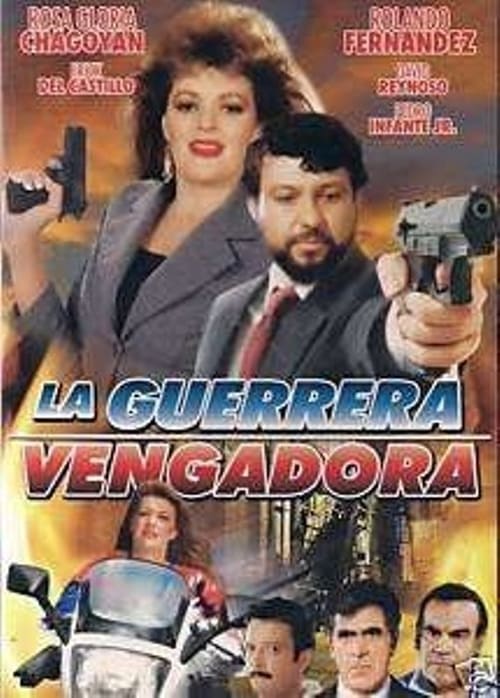
Lady Avenger
1988
No user ratings available yet
Representation score: 2.7 out of 10
Representation Score
Fair
1988
TV-PGDirector
Raúl Fernández
Runtime
0 minutes
Average Rating
No ratings yetNew Showbiz Analysis
La guerrera vengadora stands out for its subversion of traditional gender roles by placing a female professional in the role of a vigilante. This challenges conventional hierarchies of physical authority and control. The film provides a localized Mexican perspective that centers non-Anglo-Saxon identity, shifting the focus away from Western-centric norms. However, it remains rooted in specific genre archetypes. While the film excels in gender ability to act and cultural critique, it lacks broader multi-layered diversity. The narrative focuses heavily on a traditional revenge arc, leaving little room for LGBTQ+ representation or disability visibility.
Category Breakdown
The film follows a traditional revenge structure centered around straight relationships. There are no LGBTQ+ characters or narratives addressing non-straight relationships.
The story challenges traditional gender roles by focusing on a female chemistry teacher who becomes a vigilante. She demonstrates strong control over her actions and decisions.
The film is set in Mexico and features a predominantly non-Anglo-Saxon cast. It centers Mexican identity and ability to act, moving away from Western-centric norms.
The narrative criticizes systemic failures by showing the police as ineffective or corrupt, validating vigilantism as a necessary response to inadequate state institutions.
There is no evidence of characters with physical or neurodivergent disabilities in the film.
Present on Screen
Limited or Absent
Official Synopsis
A chemistry teacher decides to take matters into her own hands when her brother is murdered and the police cannot help her.
1988
1983
1983

1987

2004

1973
1990
2008
No reviews yet. Be the first to share your thoughts on this movie!
Use the rating form above to leave a star rating and optional review.