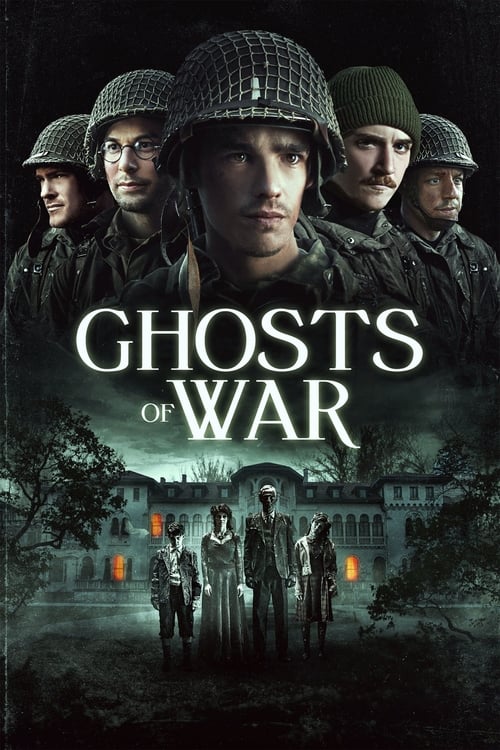
Ghosts of War
2020
No user ratings available yet
Representation score: 2.4 out of 10
Representation Score
Limited
2002
RDirector
MJ Bassett
Runtime
94 minutes
Average Rating
No ratings yetNew Showbiz Analysis
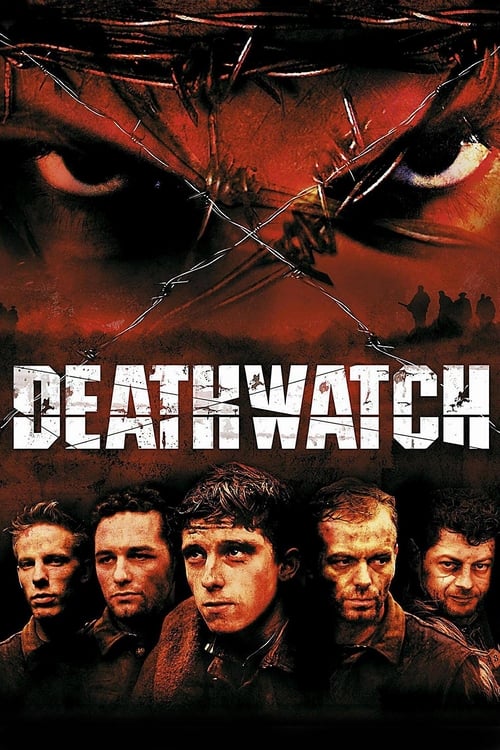
Deathwatch functions as a psychological study of institutional collapse rather than a vehicle for addressing multiple aspects of identity. It prioritizes the deconstruction of military hierarchy and the descent into primal survivalism over progressive representation. The film adheres to the traditional gendered and ethnic boundaries of early 20th-century combat. While it challenges the 'heroic war' cliché, it does so through moral ambiguity rather than identity-based diversity. Ultimately, the work is a traditionalist period piece. It succeeds in critiquing the futility of imperialist conflict but falls short of meeting modern standards for LGBTQ+, gender, or racial diversity.
Category Breakdown
The film is set in a homogeneous, masculine military environment with no representation of non-traditional gender identities or critiques of the assumption that everyone is straight.
The film operates within a strictly patriarchal framework, lacking any female characters. The narrative focuses entirely on male-dominated military structures and traditional masculine roles.
The cast reflects the historical constraints of WWI British and German units, without utilizing diverse ethnic representation to challenge the social realities of the time.
The film provides a sophisticated critique of Western military institutions. It replaces the glorification of war with a depiction of systemic failure and imperialist madness.
Psychological trauma serves as a plot driver for horror rather than a nuanced portrayal of mental health. Characters' states facilitate madness rather than providing them with a significant role in driving the story.
Present on Screen
Limited or Absent
Official Synopsis
In the brutal trench fighting of the First World War, a British Infantry Company is separated from their regiment after a fierce battle. Attempting to return to their lines, the British soldiers discover what appears to be a bombed out German trench, abandoned except for a few dazed German soldiers. After killing most of the Germans, and taking one prisoner, the British company fortifies to hold the trench until reinforcements can arrive. Soon, however, strange things being to happen as a sense of evil descends on the trench and the British begin turn on each other.
2020
1971
2018
1930
2023
1971
2014

1979
No reviews yet. Be the first to share your thoughts on this movie!
Use the rating form above to leave a star rating and optional review.