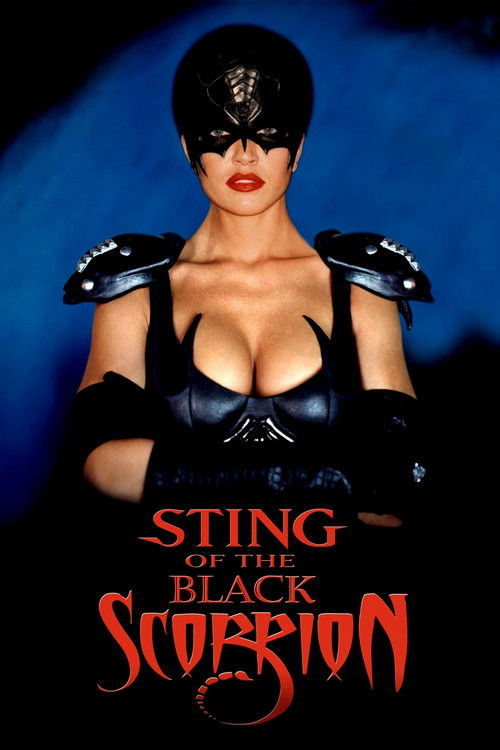
Sting of the Black Scorpion
2002
No user ratings available yet
Representation score: 2.6 out of 10
Representation Score
Fair
1992
Director
Bruce Bilson
Runtime
88 minutes
Average Rating
No ratings yetNew Showbiz Analysis
The film showcases a moderate level of representation, primarily through a diverse top-billed ensemble. The inclusion of actors of color in key roles helps diversify the production beyond the homogeneous casting typical of early 90s genre television. However, the narrative remains rooted in conventional Western superhero archetypes. Without specific character details, it is hard to assess if the film challenges traditional gender hierarchies or explores complex social identities. Overall, the production shows an intention towards inclusive casting, though the depth of that representation remains unverified.
Category Breakdown
The film does not provide explicit details about romantic relationships or characters with non-straight identities. While the era often used hints of LGBTQ+ characters, there is no confirmed evidence of specific LGBTQ+ identities.
Amanda Pays has a prominent role, suggesting a strong female presence in the narrative. This indicates potential for women to play a significant role in driving the story within the context of 1990s action-science fiction.
Alex Désert's top-billed role ensures a meaningful presence of actors of color. This helps break the uniformity common in traditional superhero narratives.
The story follows typical Western clichés of heroism and justice. There is no specific evidence of critiques regarding systemic institutions or moral relativism.
There is no documented evidence of the portrayal of physical or neurodivergent disabilities in the cast or synopsis.
Present on Screen
Limited or Absent
Official Synopsis
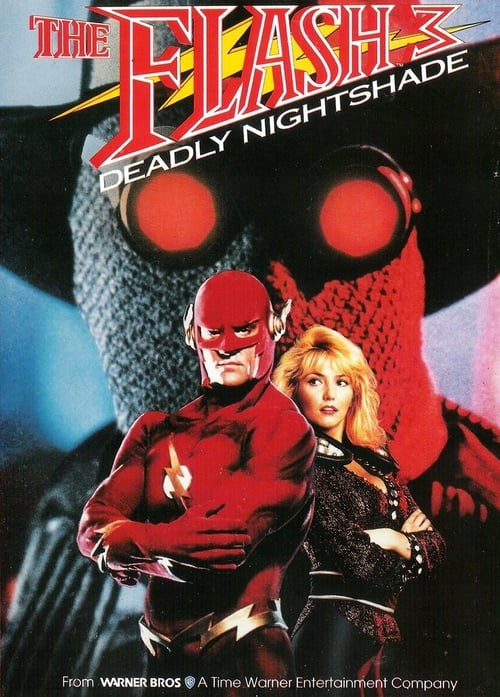
The Scarlet Speedster teams up with the city's previous superhero, The Nightshade, in two adventures.
2002

1998
1995

1999
1993
1997

1989
2006
No reviews yet. Be the first to share your thoughts on this movie!
Use the rating form above to leave a star rating and optional review.