Nak
2008
No user ratings available yet
Diversity score: 6.9 out of 10
2015
Director
Samuel Ortí Martí
Runtime
83 minutes
Average Rating
No ratings yetSynopsis
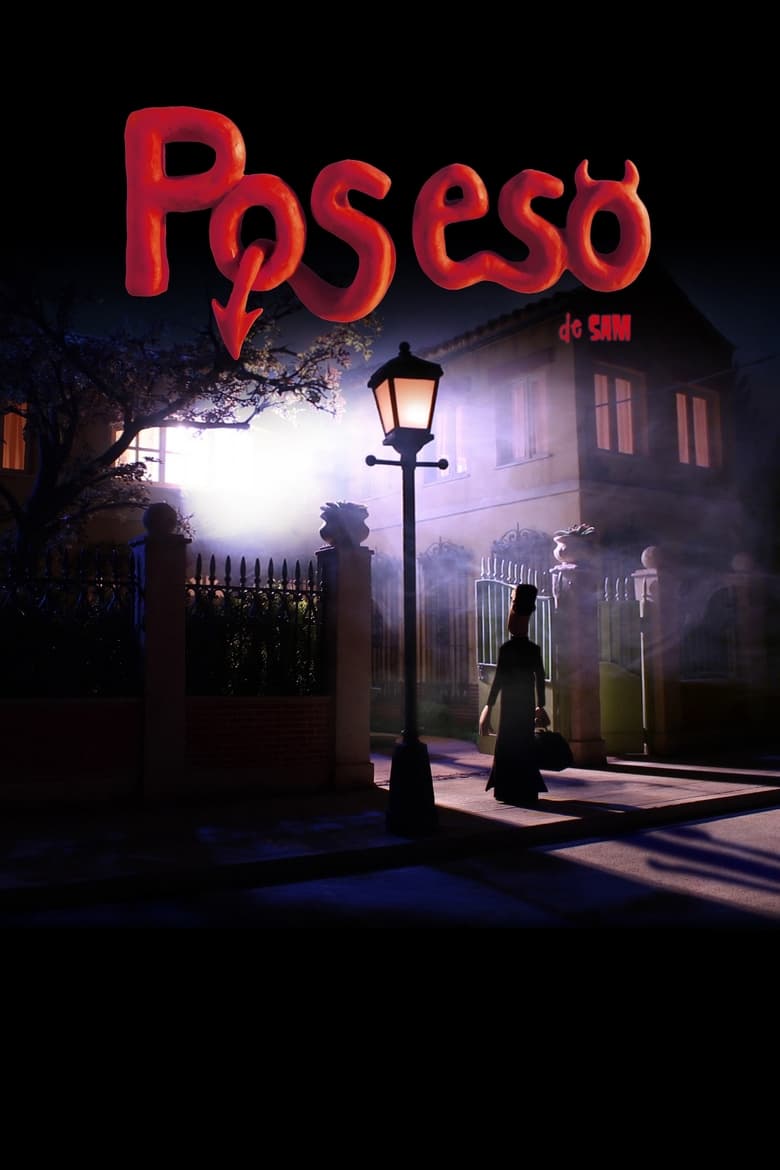
Trini, a world-renowned flamenco dancer, abandons the stage after suffering a personal tragedy.
Overall Score
Fair
Category Breakdown
LGBTQ+ Representation
The film lacks explicit details regarding sexual orientation or gender identity. While the focus on a singular protagonist allows for non-traditional relationship structures, there is no visible evidence of queer identity.
Gender Representation
Trini, the female protagonist, offers a nuanced look at agency. By choosing to abandon her prestigious career, she subverts traditional tropes through her vulnerability and autonomy.
Racial & Ethnic Diversity
The narrative centers on flamenco, a culturally specific Spanish art form. This focus prioritizes non-Anglo-Saxon traditions and elevates the story through authentic cultural expression.
Religious & Cultural Diversity
The story prioritizes individual emotional truth over professional stability. It uses the metaphor of the stage to explore the tension between societal performance and internal experience.
Disability Representation
There is no specific information regarding the portrayal of physical or mental disabilities. The themes of personal tragedy may touch on mental health, but this remains unconfirmed.
Strengths
Areas for Improvement
AI Analysis
Possessed offers a character-driven exploration of grief through the lens of flamenco. By centering on a female protagonist who rejects her professional status, the film avoids standard success narratives in favor of psychological depth. The work succeeds in its cultural specificity, using a specialized Spanish art form to ground the narrative. This provides a foundation for non-traditional storytelling that values individual identity over external expectations. However, the film's scope appears limited. Without more information on the broader ensemble or specific character dynamics, it is difficult to assess how the work handles systemic representation or diverse identities.
2008

2016

2018
2014

1999

1931
2007
No reviews yet. Be the first to share your thoughts on this movie!
Use the rating form above to leave a star rating and optional review.