
If You Only Knew
2000
No user ratings available yet
Representation score: 1.9 out of 10
Representation Score
Fair
2006
Not RatedDirector
Phillip J. Bartell
Runtime
79 minutes
Average Rating
No ratings yetNew Showbiz Analysis
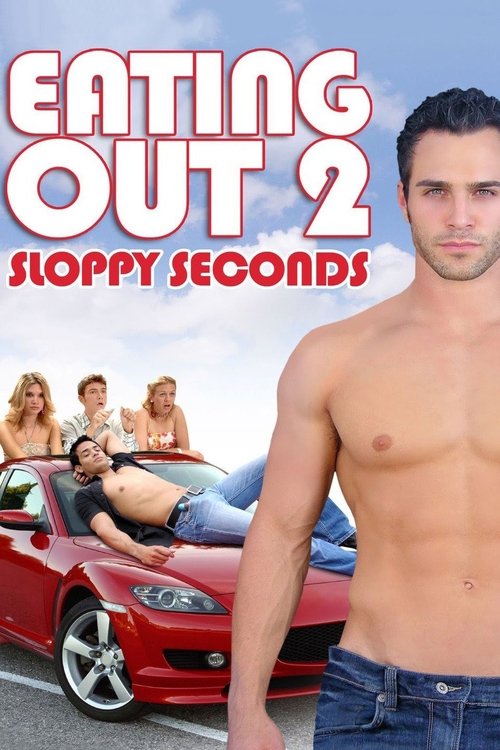
Eating Out 2: Sloppy Seconds is a specialized piece of queer cinema that places LGBTQ+ characters at the center of the plot. By making queer desire the norm rather than an exception, the film effectively critiques assumptions about straight relationships. While the film excels in exploring the friction between authentic identity and social performance, it lacks significant racial or disability-based diversity. The narrative focus remains narrow, prioritizing the social hierarchies of a specific collegiate subculture. Ultimately, the film succeeds as a focused look at modern identity politics within a niche, independent framework.
Category Breakdown
The film focuses on queer identities as key drivers of the plot. It explores the complexities of sexual identity through the tension between being openly gay and navigating social pressures.
The story emphasizes the ability to act of female characters such as Gwen and Tiffani. It highlights their social maneuvering within a collegiate dating environment.
The film seems to prioritize sexual orientation over racial or ethnic diversity. The cast and setting appear largely homogeneous, focusing on a specific collegiate subculture.
The story satirizes conservative structures like ex-gay support groups, presenting them as misguided obstacles. It centers an outsider perspective to challenge traditional courtship rituals and social norms.
There is no evidence of disability, neurodivergence, or chronic illness being central to the character arcs or narrative.
Present on Screen
Limited or Absent
Official Synopsis
How far would you go to get the person of your dreams? With the help of Gwen and Tiffani, Kyle pretends to be heterosexual in order to land Troy, the new guy (and nude model) who's turning the heads of both men and women. He soon finds himself joining the campus ex-gay support group and nabbing a girlfriend! Kyle's ex-boyfriend Marc is horrified at the plan and decides to pursue the confused Troy with his own tactic -- being his "out" gay self. Who will win Troy first?
2000
1999

2009
2006
1998

2008
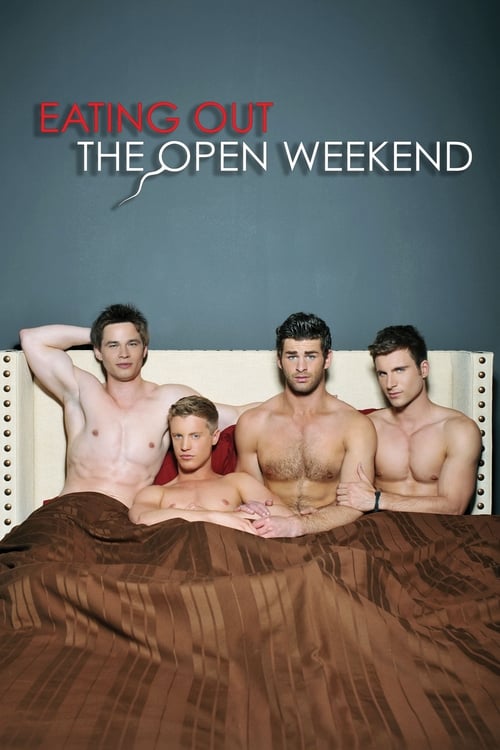
2011

2014
No reviews yet. Be the first to share your thoughts on this movie!
Use the rating form above to leave a star rating and optional review.