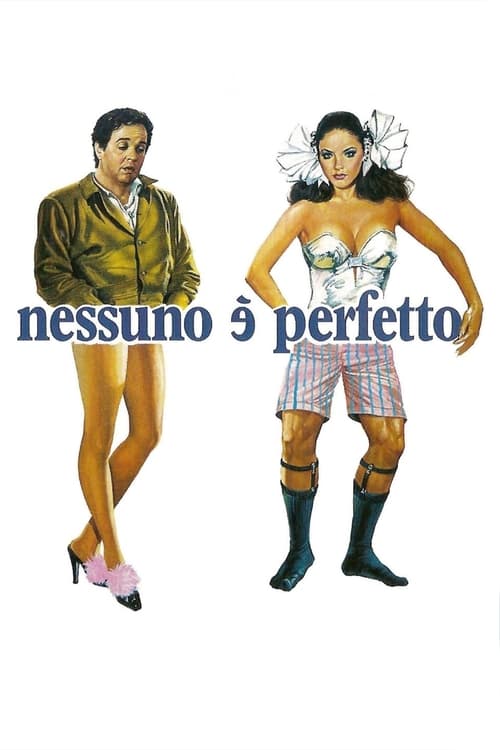
Nobody's Perfect
1981
No user ratings available yet
Representation score: 5.8 out of 10

Representation Score
Good
1981
Not RatedDirector
Frank Ripploh
Runtime
95 minutes
Average Rating
No ratings yetNew Showbiz Analysis
Frank Ripploh’s work is a cornerstone of queer cinema, using a semi-autobiographical, documentary-like style to challenge the mainstream perspective. By focusing on gay male identity as the norm, the film avoids the typical clichés found in period films. The film stands out for its authentic portrayal of a specific subculture and its critique of traditional societal structures. Its commitment to documenting the lived experiences of its characters is a significant strength. However, its narrow demographic focus limits its broader racial and ethnic representation.
Category Breakdown
The film focuses on the experiences of gay men in West Berlin, depicting various forms of same-sex intimacy and diverse sexual behaviors. These characters play a significant role in shaping the story's direction.
The narrative challenges traditional gender roles by questioning the importance of the conventional family structure. It explores flexible sexual relationships and unconventional social bonds.
The film provides a detailed look at the urban subculture of West Berlin during a specific time period. It reflects the demographics of the queer community from that era.
The film emphasizes secular, lived experiences rather than religious traditions. It portrays sexual liberation and alternative interpersonal ethics as valid ways of life.
There is no specific evidence regarding the portrayal of physical or neurodivergent disabilities in this work.
Present on Screen
Limited or Absent
Official Synopsis
Frank, a dedicated schoolteacher, embraces the sexual freedoms of the city’s underground scene—navigating a double life in public restrooms, cinemas, and cruising spots. When he meets Bernd, a sweet and steady museum worker, he finds himself torn between the comfort of domestic partnership and the allure of anonymous desire.
1981

1980
1982

1994
1971
1974

1996

1976
No reviews yet. Be the first to share your thoughts on this movie!
Use the rating form above to leave a star rating and optional review.