
Sons of Rizk
2015
No user ratings available yet
Representation score: 5.7 out of 10
Representation Score
Limited
1986
Director
Nader Galal
Runtime
129 minutes
Average Rating
No ratings yetNew Showbiz Analysis
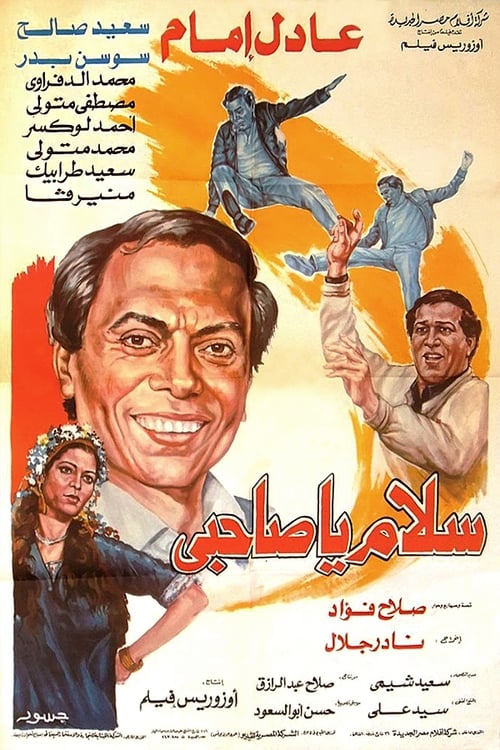
Goodbye My Friend is a quintessential late-80s regional action-drama focused on interpersonal dynamics. The story prioritizes the friendship and betrayal of Marzouk and Barakat within a specific socioeconomic niche. While the film offers a window into the working-class experience, it adheres to the traditional storytelling clichés of its era. The narrative structure reinforces conventional social structures, concentrating most plot ability to act within male characters and focusing on individual competition rather than systemic issues.
Category Breakdown
The film follows traditional social structures of 1987 Egypt. There are no LGBTQ+ characters or narratives that challenge the assumption that everyone is straight or cisgender.
The plot centers on male-dominated friendships and rivalries. While Batta works in the melon trade, the male protagonists play a significant role in driving the story.
The cast is ethnically homogeneous, reflecting the local Egyptian population. It provides a culturally specific North African identity without disrupting ethnic hierarchies.
The story explores socioeconomic struggles and street-level survival. It depicts friction between independent workers and established criminal interests within a specific cultural context.
There is no mention of characters with visible or invisible disabilities in the narrative.
Present on Screen
Limited or Absent
Official Synopsis
Two friends Marzouk and Barakat, work with street vendor Batta on her cart in the melon trade. Al-Gayiar who works in the trade of stolen cars admires them, they work with him till they become his competitors. He decides to get rid of them after they've become a treat.
2015

1964

1995
1997

2005

1971

1990

2019
No reviews yet. Be the first to share your thoughts on this movie!
Use the rating form above to leave a star rating and optional review.