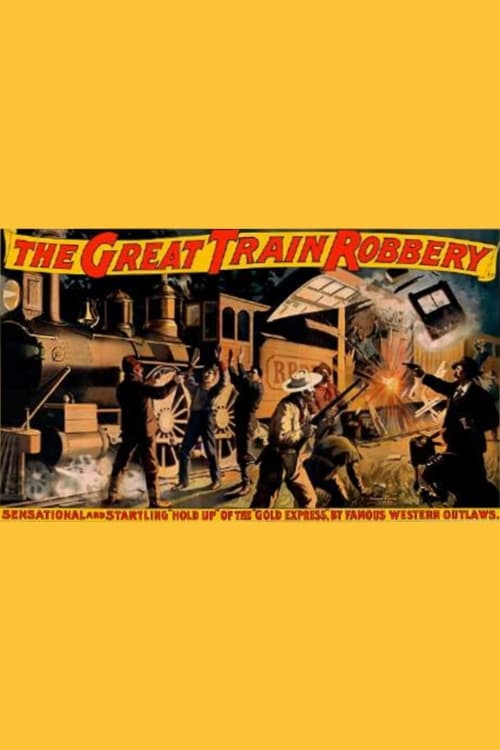
The Great Train Robbery
1904
No user ratings available yet
Representation score: 0.5 out of 10
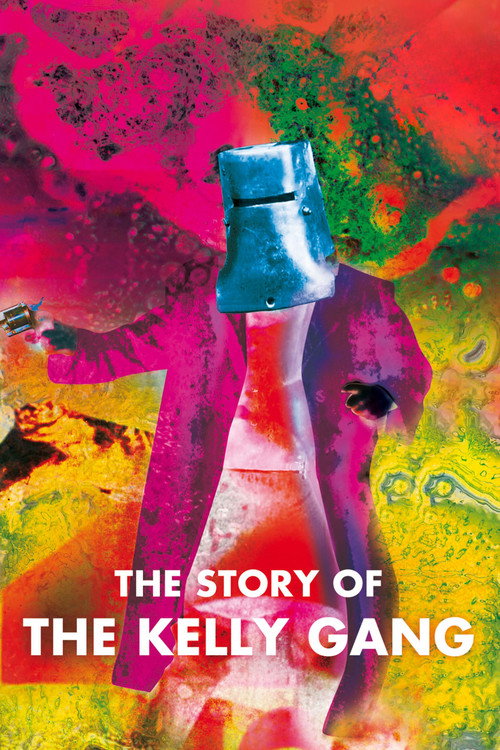
Representation Score
Limited
1906
Not RatedDirector
Charles Tait
Runtime
70 minutes
Average Rating
No ratings yetNew Showbiz Analysis
This film, a pioneer of the feature-length format, serves more as a historical document than a modern example of diverse representation. It lacks contemporary diversity in gender and racial casting, adhering to the social hierarchies of the late 19th century. However, the film excels in its cultural critique. By framing the protagonist’s actions as a response to colonial oppression, it elevates the outlaw to a figure of resistance. This provides a complex look at the tension between individual ability to act and institutional power. Ultimately, the work is defined by its specific ethnic perspective and its challenge to Western institutional legitimacy, despite its narrow demographic scope.
Category Breakdown
The film does not include any documented depictions of LGBTQ+ characters or non-cisgender identities. The story follows strict social structures of the early 20th century.
Women are shown mainly in domestic or supportive roles, while narrative ability to act is focused on male protagonists who embody traditional masculine roles of combat and leadership.
The story centers almost entirely on the white, Irish-Australian settler experience, excluding non-white characters and reflecting the historical constraints of early Australian cinema.
The film highlights resistance against Western institutions. It portrays criminality as a reaction to colonial oppression, questioning the legitimacy of state and legal authority.
There is no documented portrayal of physical or neurodivergent disabilities in the available historical fragments and reconstructions.
Present on Screen
Limited or Absent
Official Synopsis
Just as Galeen and Wegener's Der Golem (1915) can be seen as a testament to early German film artistry, The Story of the Kelly Gang (1906) symbolizes both the birth of the Australian film industry and the emergence of an Australian cinema identity. Even more significantly, it heralds the emergence of the feature film format. However, only fragments of the original production of more than one hour are known to exist, preserved at the National Film and Sound Archive, Canberra; Efforts at reconstruction have made the film available to modern audiences.
1904
1962
1921
1949
1976
1906
1915
1908
No reviews yet. Be the first to share your thoughts on this movie!
Use the rating form above to leave a star rating and optional review.