Don't Stop Me Now
2019
No user ratings available yet
Representation score: 3.4 out of 10
Representation Score
Limited
2015
Director
Giorgia Farina
Runtime
90 minutes
Average Rating
No ratings yetNew Showbiz Analysis
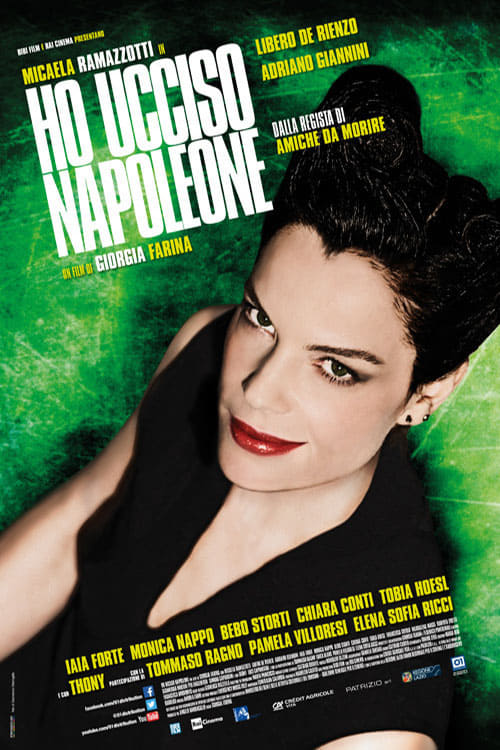
I Killed Napoleon is a period-based farce that prioritizes genre clichés and historical homogeneity over social critique. While it avoids passive female archetypes common in historical settings by centering on a brilliant, capable protagonist, it remains limited by its narrow demographic scope. The film captures the eccentricities of high society but lacks the complexity needed to move beyond a traditional comedic framework. Ultimately, it adheres strictly to the cultural and racial homogeneity of its 19th-century European setting.
Category Breakdown
The film does not depict any non-straight or non-cisgender identities. Romantic relationships follow traditional heterosexual norms.
Anita is a strong central character who challenges passive female stereotypes. However, the film sometimes relies on traditional gender roles.
The cast reflects the demographic makeup of the 19th-century European elite, with no evidence of diverse ethnic identities.
The story focuses on the dysfunction of the wealthy class without actively challenging traditional institutions or Western sentiments.
There are no prominent depictions of physical or neurodivergent disabilities. Characters are defined by social status and personality rather than any relationship to disability.
Present on Screen
Limited or Absent
Official Synopsis
In the space of twenty-four hours the life of Anita, single and brilliant manager in career, is blown away by a hurricane of trouble.
2019
1983

2011

2011
2016
2012
2002

2015
No reviews yet. Be the first to share your thoughts on this movie!
Use the rating form above to leave a star rating and optional review.