
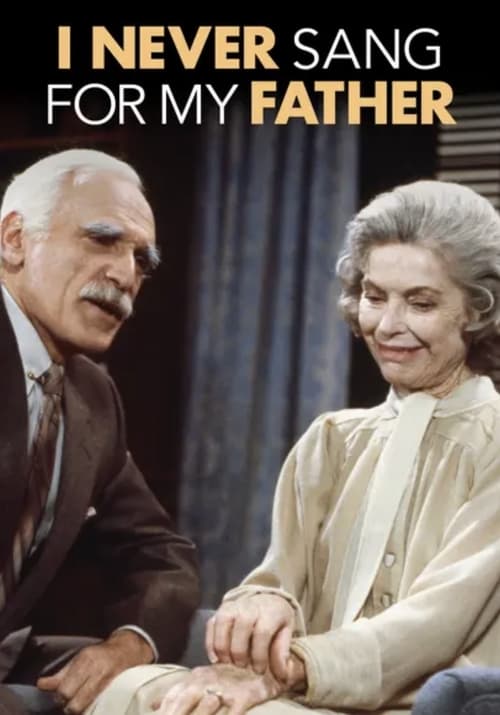
I Never Sang for My Father
1970
No user ratings available yet
Representation score: 0.4 out of 10
Representation Score
Limited
1988
PGDirector
Jack O'Brien
Runtime
108 minutes
Average Rating
No ratings yetNew Showbiz Analysis
I Never Sang for My Father is a traditional biographical drama that prioritizes individual psychological realism over social disruption. The film's architecture is built upon established mid-century social norms, focusing on the tension between a son and his aging father. Because the story is rooted in a specific historical era, it reflects the era's conventional hierarchies. The narrative lacks intentionality regarding progressive representation, opting instead for a conventional exploration of paternal authority and domesticity.
Category Breakdown
The film follows a traditional mid-20th-century domestic setting. It does not feature any LGBTQ+ characters or critiques of the assumption that everyone is straight or cisgender.
The story focuses on patriarchal struggles and masculine dynamics of stoicism. Women appear in supporting roles, primarily defined by their relationships to central male figures.
The film presents a largely homogeneous social environment. There is a lack of significant racial or ethnic diversity in the central cast or plot.
The story explores familial duty and the psychological weight of paternal legacy. It operates within the emotional confines of the nuclear family structure.
There is no evidence of visible or invisible disabilities being used as central character traits or plot drivers.
Present on Screen
Limited or Absent
Official Synopsis
A man who wants to move on with his life by moving to California and marry his girlfriend, finds it difficult as he still lives in the towering shadow of his aging father.
1970

1997
1988

1989

1984
1949
1988
2020
No reviews yet. Be the first to share your thoughts on this movie!
Use the rating form above to leave a star rating and optional review.