
The Source of Shadows
2020
No user ratings available yet
Representation score: 7.9 out of 10
Representation Score
Excellent
2019
RDirector
Agnieszka Smoczyńska, Can Evrenol, Peter Strickland, Yannis Veslemes, Katrin Gebbe, Veronika Franz, Severin Fiala, Calvin Lee Reeder, Ashim Ahluwalia
Runtime
117 minutes
Average Rating
No ratings yetNew Showbiz Analysis
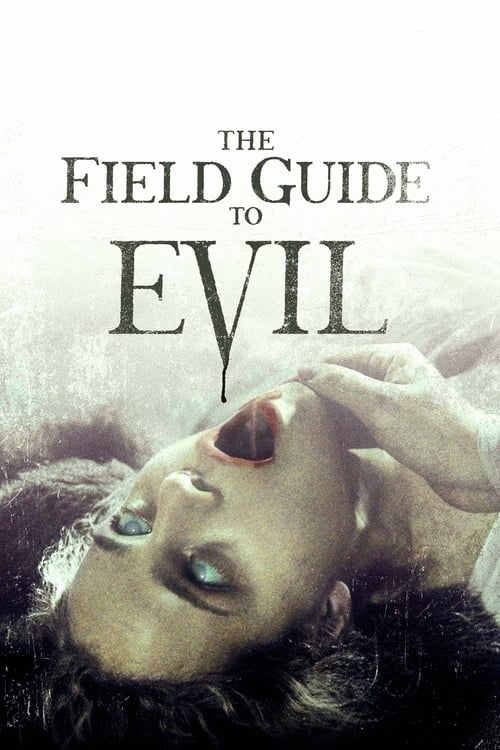
The Field Guide to Evil succeeds as a progressive horror anthology by using a global team of directors to challenge Western-centric narrative norms. Its key strength is its racial and ethnic diversity, which shifts the genre from Anglo-centric settings to a post-colonial exploration of folklore. However, the film faces challenges in consistently representing various identities. While it challenges traditional gender roles by highlighting women's ability to drive the story, it lacks explicit LGBTQ+ narratives and proactive representation of characters with physical or sensory disabilities. Overall, the film is a structural success in presenting moral relativism. It replaces a singular view of evil with a fragmented, multifaceted exploration of human darkness across diverse cultural landscapes.
Category Breakdown
The anthology format makes it hard to confirm explicit LGBTQ+ narratives. While the film avoids typical assumptions about straight relationships, it doesn't prominently feature LGBTQ+ characters or stories.
The film challenges traditional gender roles by emphasizing the role of women. Female characters often take leading roles in driving the story and have deep psychological complexity.
The film stands out by avoiding Anglo-centric storytelling. It includes Indian and Turkish contexts, offering a global perspective that challenges Western-centric horror norms.
Evil is portrayed as a subjective concept influenced by culture. The segments criticize universal morality by showing traditional institutions as places of decay and moral ambiguity.
Psychological distress is used mainly to create a surreal atmosphere. There is little evidence of characters with physical or sensory disabilities being actively represented.
Present on Screen
Limited or Absent
Official Synopsis
A feature-length anthology film. They are known as myths, lore, and folktales. Created to give logic to mankind’s darkest fears, these stories laid the foundation for what we now know as the horror genre.
2020
2008

2019
2013
2023
2018
2020
2016
No reviews yet. Be the first to share your thoughts on this movie!
Use the rating form above to leave a star rating and optional review.