
55 Steps
2018
No user ratings available yet
Representation score: 5.0 out of 10
Representation Score
Fair
2017
PG-13Director
Gerard Barrett
Runtime
88 minutes
Average Rating
No ratings yetNew Showbiz Analysis
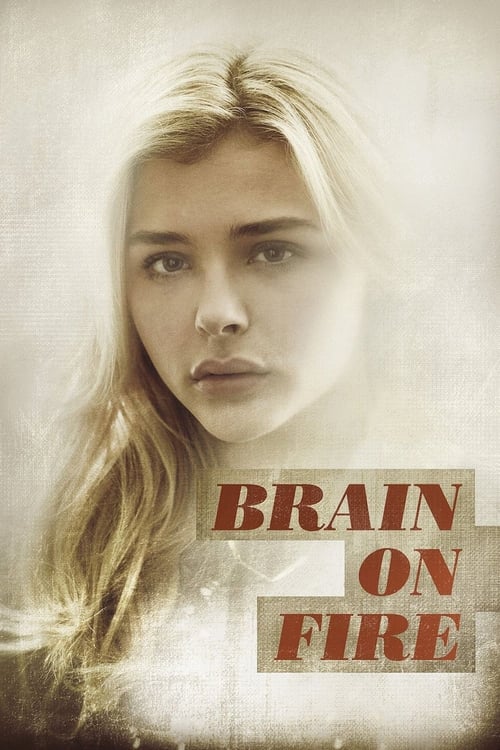
Brain on Fire succeeds as a character-driven story that gives significant weight to a neurodivergent protagonist. It effectively questions gendered medical hierarchies by highlighting how female patients are often dismissed by male doctors. However, the film’s scope is limited by its narrow demographic focus. The absence of racial and LGBTQ+ diversity keeps the narrative centered within a specific, traditional Western context. Overall, while the portrayal of medical gaslighting and cognitive decline is nuanced, the film remains a focused demographic portrait rather than a broad social tapestry.
Category Breakdown
The film does not include any LGBTQ+ characters or explore non-straight relationships. The central romantic storyline focuses on a traditional heterosexual couple without touching on any queer themes.
The story emphasizes the role of women in challenging a male-dominated medical system. It highlights how male authorities misinterpret the protagonist’s neurological symptoms, thereby questioning the established gender hierarchies.
The cast is predominantly white and middle-class, with no apparent effort to diversify the social landscape. There is no indication of intentional inclusivity regarding race.
The narrative critiques Western institutional practices by portraying the medical establishment as flawed and prone to systemic errors such as medical gaslighting.
The film offers an empathetic look at neurodivergence and invisible disabilities. It avoids clichés by focusing on the genuine medical crisis faced by the protagonist.
Present on Screen
Limited or Absent
Official Synopsis
Susannah Cahalan, an up-and-coming journalist at the New York Post becomes plagued by voices in her head and seizures, causing a rapid descent into insanity.
2018
2017
2017
1995
2016
1957

2017
2010
No reviews yet. Be the first to share your thoughts on this movie!
Use the rating form above to leave a star rating and optional review.