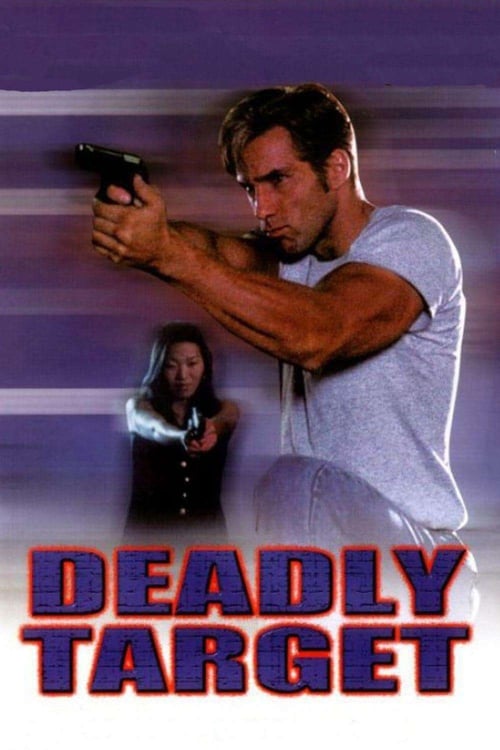
Deadly Target
1994
No user ratings available yet
Representation score: 3.0 out of 10

Representation Score
Fair
2024
RDirector
George Huang
Runtime
101 minutes
Average Rating
No ratings yetNew Showbiz Analysis
Weekend in Taipei presents a visually diverse cast and setting, yet its narrative structure remains conventional. The film prioritizes kinetic action and established genre clichés over progressive social commentary or structural innovation. This creates a disconnect between its diverse aesthetic and its traditional thematic core. Gender dynamics offer a slight modernization through Mei’s competence, but the plot ultimately relies on John Lawlor as the central savior figure. Similarly, while the racial casting is authentic and significant, it does not disrupt the Western-centric power structures that drive the story. The cultural framework remains firmly aligned with Western institutional authority. Consequently, the film achieves moderate scores in racial diversity but struggles in areas requiring narrative subversion. The lack of LGBTQ+ representation, disability inclusion, and critical engagement with cultural power dynamics keeps the overall score low. It is a competent thriller that fails to leverage its diverse elements for deeper progressive impact.
Category Breakdown
The film focuses on a heterosexual relationship and does not include any LGBTQ+ characters or non-cisgender identities. It reinforces the idea that everyone is straight and cisgender, without any critique or challenge to these norms.
Mei is shown as a capable mercenary, subverting the typical damsel-in-distress stereotype. However, John Lawlor remains the dominant intellectual and physical savior, maintaining traditional gender hierarchies without reversing them.
The film features authentic casting with actors like Gwei Lun-Mei and Sung Kang in significant roles, highlighting Taiwanese perspectives. While diverse, the film stays within ethnic specificity and does not disrupt historical expectations through casting.
The narrative supports Western institutional authority through the DEA protagonist, lacking any systemic critique. It maintains traditional moral frameworks and law enforcement without promoting secularism or challenging Western dominance.
There are no visible or invisible disabilities, neurodivergence, or mental health conditions portrayed. Characters are depicted as physically capable operatives, reflecting the standard exclusion of disability representation in mainstream action thrillers.
Present on Screen
Limited or Absent
Official Synopsis
A former DEA agent and a former undercover operative revisit their romance during a fateful weekend in Taipei, unaware of the dangerous consequences of their past.
1994
2006

1999

2010

2018

1990

2007

2012
No reviews yet. Be the first to share your thoughts on this movie!
Use the rating form above to leave a star rating and optional review.