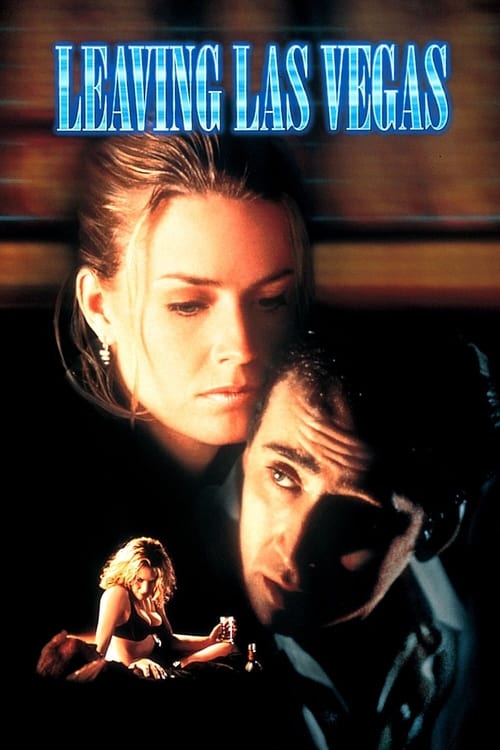
Leaving Las Vegas
1995
No user ratings available yet
Representation score: 5.7 out of 10

Representation Score
Limited
2015
RDirector
Terrence Malick
Runtime
118 minutes
Average Rating
No ratings yetNew Showbiz Analysis
Terrence Malick’s *Knight of Cups* is a sensory, impressionistic exploration of spiritual decay within the context of Los Angeles consumerism. While the film offers a critical view of capitalist institutions, it falls short in providing broad demographic representation. The narrative is confined to a predominantly white, affluent social circle, lacking in ethnic and LGBTQ+ diversity. This homogeneity reinforces a narrow perspective of the high-society environments being critiqued. Ultimately, the film opts for a postmodern exploration of emptiness over traditional representation. It delivers profound insights into social structures but remains limited in its depiction of human identity.
Category Breakdown
The film centers on heterosexual relationships and lacks prominent LGBTQ+ characters or non-traditional gender identities. Intimacy is primarily focused on the protagonist's interactions with women.
Female characters often serve as conduits for the protagonist's sensory experiences rather than driving the plot themselves. While the film avoids strict patriarchal structures, it does not give women significant roles in shaping the story.
The film portrays a predominantly white, wealthy social circle within Hollywood. It lacks diverse ethnic perspectives and does not employ color-blind casting for the main characters.
The film provides a nuanced critique of Western capitalism and material wealth. It emphasizes spiritual longing and moral ambiguity over traditional religious or cultural norms.
The film does not focus on characters with disabilities, either visible or invisible. The emphasis is on the protagonist's existential crisis and psychological state.
Present on Screen
Limited or Absent
Official Synopsis
Rick is a screenwriter living in Los Angeles. While successful in his career, his life feels empty. Haunted and confused, he finds temporary solace in the decadent Hollywood excess that defines his existence. Women provide a distraction to his daily pain, and every encounter brings him closer to finding his place in the world.
1995
2005

2009

1964
2013

2014

2007
2000
No reviews yet. Be the first to share your thoughts on this movie!
Use the rating form above to leave a star rating and optional review.