The Forest
2010
No user ratings available yet
Representation score: 3.8 out of 10
Representation Score
Good
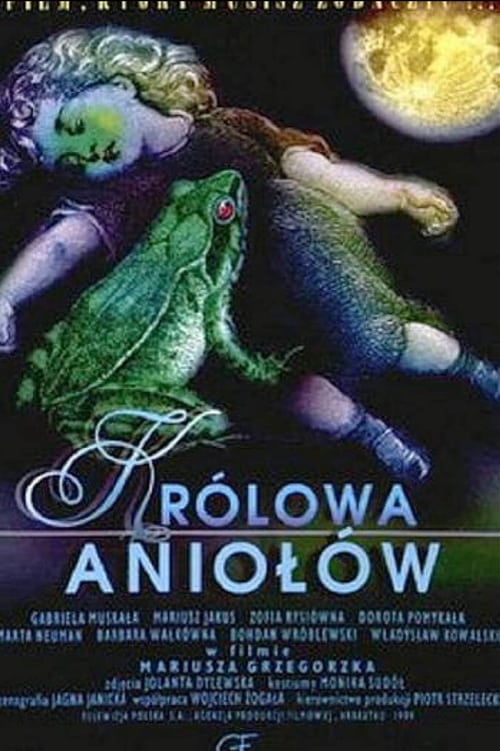
1999
Director
Mariusz Grzegorzek
Runtime
102 minutes
Average Rating
No ratings yetNew Showbiz Analysis
Queen of the Angels is a psychological drama that prioritizes internal landscapes over traditional action. It succeeds in elevating female subjectivity, placing women's emotional strength at the center of the narrative through its dual-timeline structure. However, the film remains limited by its homogeneous ethnic landscape and a lack of LGBTQ+ representation. The focus on local historical and cultural contexts results in a narrow scope regarding racial and sexual diversity. Ultimately, the film's strength lies in its sophisticated treatment of mental health and subjective reality. It moves away from rigid moral frameworks to explore the complexities of the human condition.
Category Breakdown
The film focuses on traditional relationships and does not include any explicit LGBTQ+ characters. The narrative emphasizes the psychological and spiritual struggles of its female protagonists.
The story challenges traditional hierarchies by highlighting the intellectual and emotional strength of women. The dual timelines prioritize the complex perspectives of Maria and Elizabeth over patriarchal structures.
The production reflects a largely homogeneous ethnic landscape consistent with its Polish setting. There is no indication of intentional racial blending or color-blind casting.
The film explores the intersection of the everyday and the mystical, questioning rigid moralities. It uses non-linear history to challenge traditional social stability and singular truths.
Mental health and neurodivergence are explored through themes of madness and psychological trauma. These elements are central to the characters' inner journeys and internal states.
Present on Screen
Limited or Absent
Official Synopsis
The film takes place in two spaces of time. Modern history tells the story of a passing relationship crisis doctor James with her teacher Maria. During the night shift, Jacob is trying to calm the boy. Experiencing a shock that pushes him into the inner journey in time past, in the regions of childhood, to the genesis of his fears and frustrations. The second story waged simultaneously with the first takes place in the nineteenth century, in a nobleman's manor where Maria takes care of the ailing heiress Elizabeth. Elizabeth's daughter, Zofia, is expecting a baby. — Polish Wikipedia
2010
1989
1991
1989
2007
1993
1993
1999
No reviews yet. Be the first to share your thoughts on this movie!
Use the rating form above to leave a star rating and optional review.