The Unspeakable Act
2012
No user ratings available yet
Representation score: 6.3 out of 10
Representation Score
Fair
2000
Director
Linus Tunström
Runtime
58 minutes
Average Rating
No ratings yetNew Showbiz Analysis
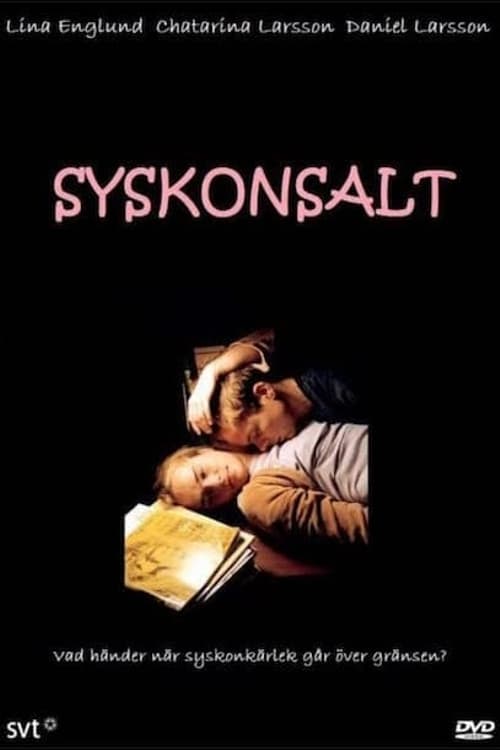
True Siblings is a character-driven drama that prioritizes psychological experience over communal moral standards. It achieves a high degree of narrative subversion by deconstructing the traditional family unit, treating the home as a space of isolation rather than stability. While the film lacks demographic breadth, particularly regarding race and disability, it succeeds in challenging social taboos. The focus remains on the internal 'truth' of the protagonists against the backdrop of a detached parental figure. Ultimately, the work functions as a critique of Western social institutions, using a taboo romantic connection to explore the breakdown of the nuclear family.
Category Breakdown
The film explores a non-traditional romantic relationship that challenges conventional family boundaries. It focuses on incestuous themes rather than established queer identities, lacking broader community representation.
The narrative disrupts traditional hierarchies by centering the siblings' roles over the parental figure. The mother is depicted through absence, removing the stable matriarch archetype.
The story appears to focus on a homogeneous domestic unit. There is no evidence of racial blending or diverse casting within the primary character arcs.
The film challenges Western social institutions by framing the nuclear family as a site of isolation. It critiques the sanctity of traditional domestic structures and moral codes.
There are no visible or invisible disabilities portrayed that impact the narrative arc.
Present on Screen
Limited or Absent
Official Synopsis
The siblings Linus, 19-years-old, who are taking driving license and Vanja, 17-years-old, who's still in school. Their mom Eva works night shift at a hotel. We get to follow them during one month. Linus and Vanja begin to realize that they are living in a universe of their own. And there is neither room for the mom or boy- and girlfriends. At first it is only the longing love in unspoken thoughts. But when thought gets into words they realize that they are each others perfect half. They are drawn closer to each other and finally can't resist the taboo temptation in each others bodies. At first they deny, lie and try to resist. It's about shame and guilt and forbidden feelings which leads to a point where everything is at stake.
2012
2001

2012
1993
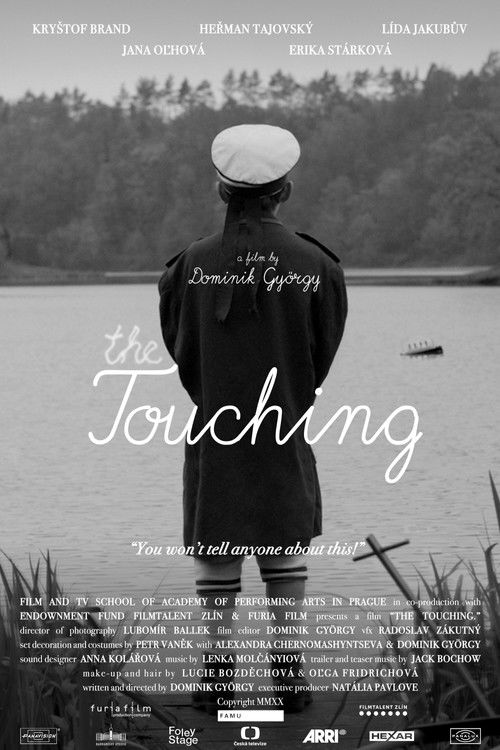
2020

1983

2009

2005
No reviews yet. Be the first to share your thoughts on this movie!
Use the rating form above to leave a star rating and optional review.