
Hula Girls
2006
No user ratings available yet
Representation score: 7.9 out of 10
Representation Score
Fair
1988
Director
Yojiro Takita
Runtime
113 minutes
Average Rating
No ratings yetNew Showbiz Analysis
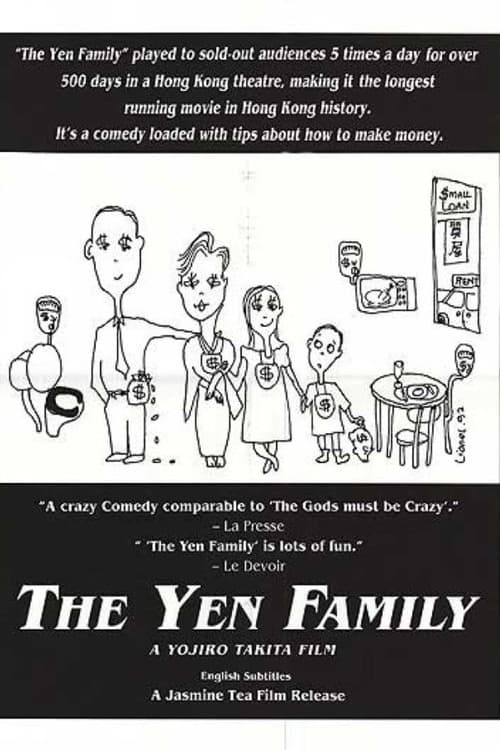
The Yen Family serves primarily as a social satire rather than a study of diverse identities. Its strength lies in its thematic critique of 1980s Japanese economic structures. By using a dysfunctional family to critique hyper-capitalism, the film disrupts the era's idealized domestic imagery. While the film does not offer broad representation regarding race or sexual orientation, it provides a nuanced critique of materialism. It replaces the 'prosperous' domestic ideal with a more complex, morally relative view of family life. Ultimately, the film's progressive nature is found in its subversion of social cohesion and economic optimism rather than demographic diversity.
Category Breakdown
The film does not include any explicit queer narratives or non-straight identities. It follows a neutral approach common in mainstream Japanese comedies from this time period.
Satire about a 'strange family' may challenge rigid 1980s Japanese gender roles. It potentially mocks traditional patriarchal structures and domestic expectations.
Set during a specific era in Japan, the film features a culturally uniform cast reflecting the demographics of its time.
The story criticizes the capitalist fervor of the bubble era. By depicting a non-traditional family, it challenges the idealized, sanctified model of domestic life.
There is no information about the inclusion or portrayal of characters with physical or neurodivergent disabilities.
Present on Screen
Limited or Absent
Official Synopsis
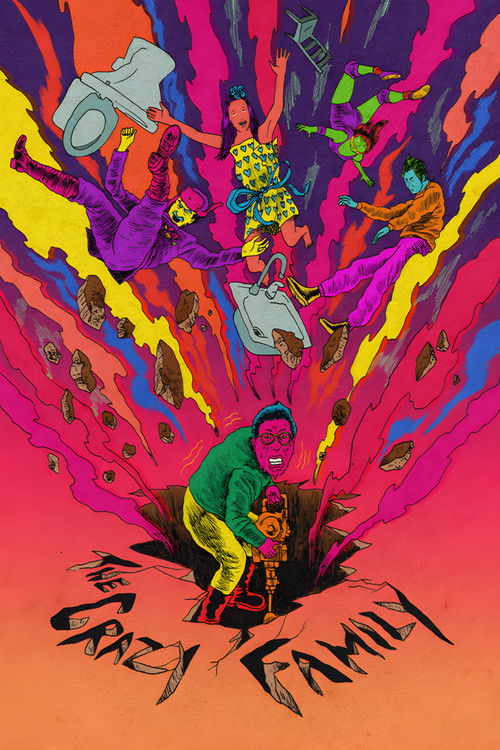
Set in Japan during the bubble era, this unique home comedy cheerfully and humorously depicts the daily life of a strange family that works together to accumulate a small amount of money, while mixing irony and satire.
2006
1959

2018
1999

2009

2023
2000
1984
No reviews yet. Be the first to share your thoughts on this movie!
Use the rating form above to leave a star rating and optional review.