My Little Sweet Pea
2013
No user ratings available yet
Representation score: 5.5 out of 10
Representation Score
Fair
2009
Director
Hideo Jojo
Runtime
65 minutes
Average Rating
No ratings yetNew Showbiz Analysis
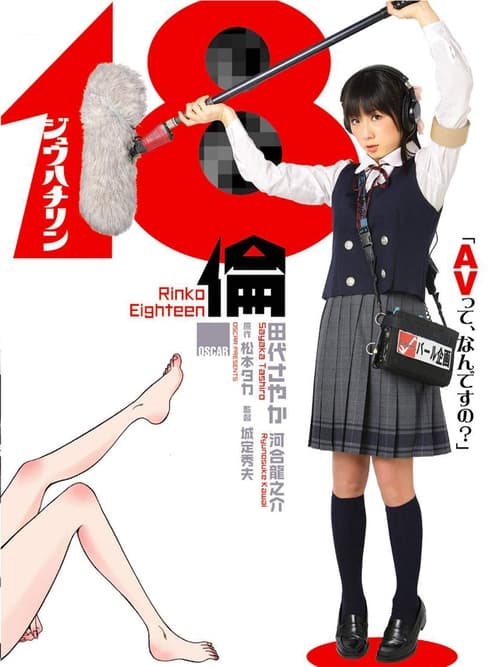
Rinko Eighteen is a character-driven study that subverts expectations regarding respectable career paths. It finds complexity in the friction between personal ambition and systemic economic failure, specifically through the lens of a woman navigating a controversial industry to support her family. The film excels at deconstructing traditional social structures and the sanctity of the nuclear family. By framing the protagonist's choices through survival rather than moral judgment, it offers a nuanced look at situational ethics. However, the film lacks breadth in its representation of identity. It remains culturally homogeneous and does not center LGBTQ+ narratives or diverse racial perspectives, focusing instead on a localized Japanese social context.
Category Breakdown
The film focuses on a specific professional subculture rather than queer identities. It includes non-traditional lifestyle elements but lacks explicit narratives or critiques of the assumption that everyone is straight or cisgender.
Rinko is a female protagonist navigating a male-dominated industry with ability to act. Her journey as an aspiring doctor entering a stigmatized field challenges conventional female professional trajectories.
The production features a culturally homogeneous Japanese cast and setting. It functions as a localized social commentary without utilizing diverse casting to challenge historical norms.
The narrative critiques the collapse of traditional nuclear families and economic stability. It prioritizes individual survival and situational ethics over traditional social piety or institutional reliability.
There are no visible or invisible disabilities central to the character arcs or plot progression in this story.
Present on Screen
Limited or Absent
Official Synopsis
What happens when an innocent 18-year-old girl has to work in the adult video industry? Find out the hilarious results in Rinko Eighteen, based on the comic by Matsumoto Taka. In her first starring role, gravure model Tashiro Sayaka stars as Rinko, an aspiring doctor who returns home to find out that her father is bankrupt and has divorced her mother. With nowhere to go, Rinko signs up for the first job she finds, which turns out to be a production assistant at an adult video production company. Naturally, nothing can possibly prepare her for the work waiting for her at her new job…
2013

2023
2004
2008

2010
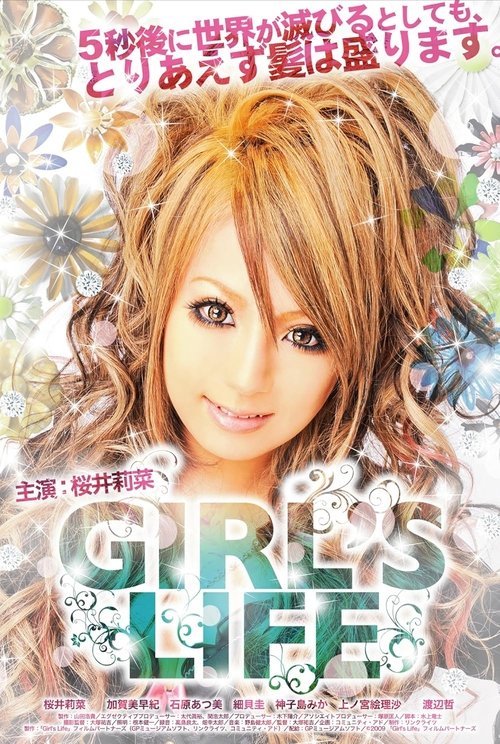
2009

2019
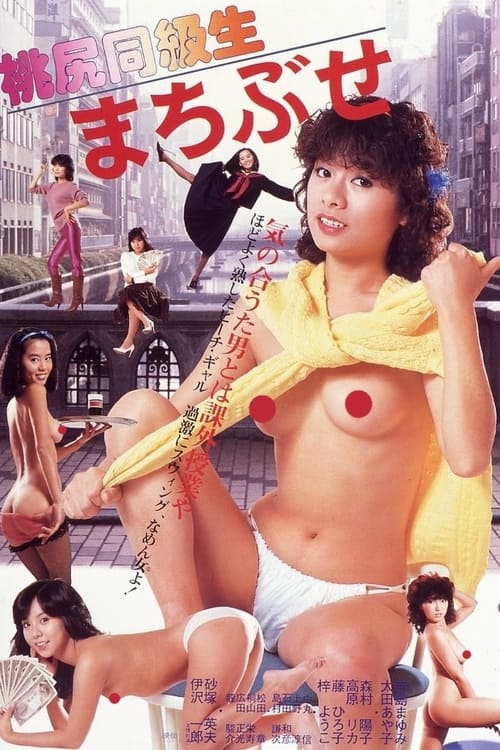
1982
No reviews yet. Be the first to share your thoughts on this movie!
Use the rating form above to leave a star rating and optional review.