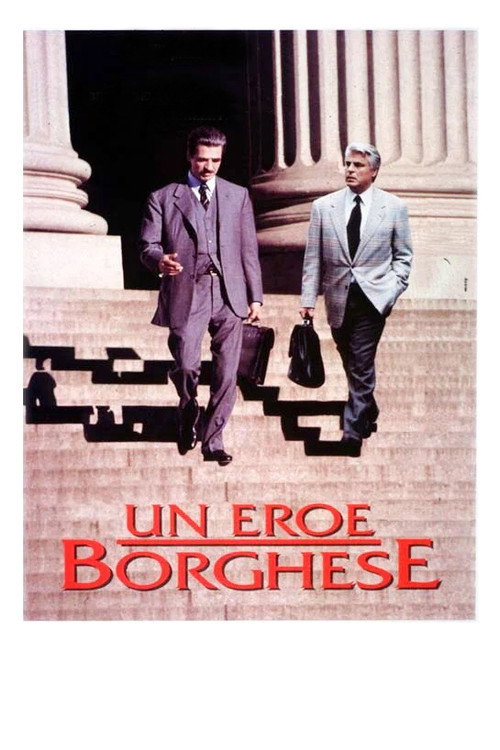
Un eroe borghese
1995
No user ratings available yet
Diversity score: 3.8 out of 10
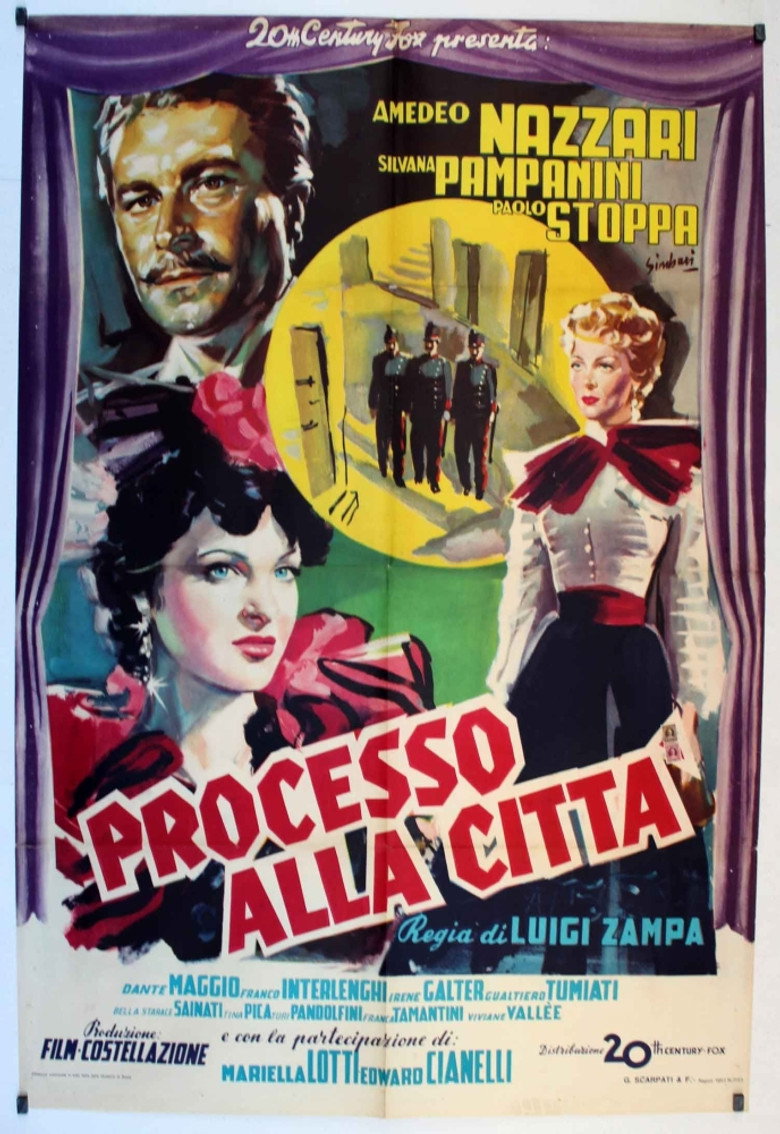
1952
Director
Luigi Zampa
Runtime
103 minutes
Average Rating
No ratings yetSynopsis
Turn-of-the-century Naples. Salvatore Ruotolo and his wife are murdered and their bodies are found in different locations. Since the evidence points to a crime by the Neapolitan crime organization, the Camorra, fear and corruption cause serious hindrances to the investigation by police authorities. In charge is a young and courageous judge who, using evidence discovered by chance, tries to reconstruct the story of the double murder. The plot that the judge must unravel is very complicated.
Overall Score
Limited
Category Breakdown
LGBTQ+ Representation
The film operates within the heteronormative social constraints of its era. There is no evidence of non-cisnormative gender identities or same-sex intimacy within the narrative.
Gender Representation
Men occupy the primary spheres of legal and investigative authority. Women are largely relegated to domestic or community-based roles, adhering to traditional Mediterranean gender hierarchies.
Racial & Ethnic Diversity
The cast and narrative focus are overwhelmingly homogeneous. The film depicts a culturally specific Italian urban environment without evidence of racial blending or non-European identities.
Religious & Cultural Diversity
The film excels in its critique of traditional Western institutions. It explores how corruption and fear within police and judicial authorities hinder the pursuit of justice.
Disability Representation
The narrative focus remains strictly on the socio-legal conflict and the investigation of murders. There is no indication of characters with visible or invisible disabilities.
Strengths
Areas for Improvement
AI Analysis
Luigi Zampa’s drama is a work of social realism that prioritizes systemic critique over demographic intersectionality. It focuses on the tension between individual morality and a corrupt social fabric, specifically targeting the inadequacy of post-war institutions. While the film lacks representation regarding LGBTQ+ identity, race, and disability, it provides progressive value by challenging the perceived integrity of established power structures. It frames the Camorra and social apathy as systemic failures rather than mere criminal acts. Ultimately, the film is a study of institutional corruption. It succeeds as a social commentary on the friction between the individual and the state, even if it remains demographically narrow.
1995
2018

1972
1977
1962
2020

1986
No reviews yet. Be the first to share your thoughts on this movie!
Use the rating form above to leave a star rating and optional review.