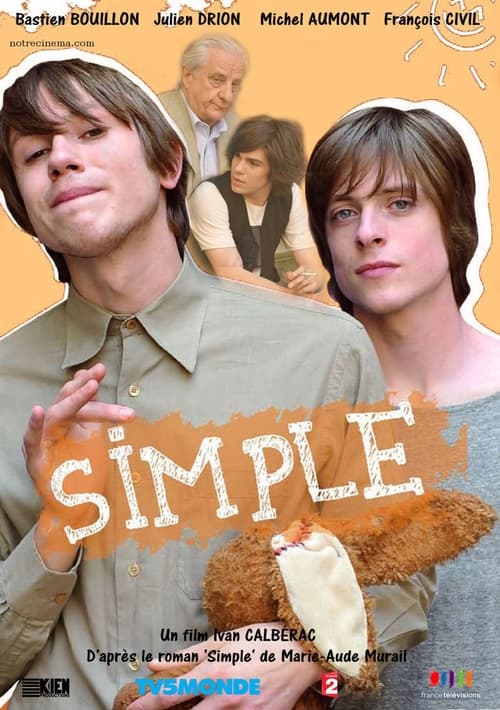
My Brother Simple
2011
No user ratings available yet
Representation score: 3.8 out of 10

Representation Score
Excellent
1998
Director
Delphine Gleize
Runtime
24 minutes
Average Rating
No ratings yetNew Showbiz Analysis
Delphine Gleize’s film succeeds by centering its narrative on the ability to act of its most vulnerable characters. By focusing on a young girl's fight for her brother's inclusion, the film challenges traditional power structures and disrupts rigid expectations of family hierarchy. The portrayal of disability is particularly strong, avoiding common clichés by granting Ben-Hur a position of dignity and social importance. This approach moves beyond mere sympathy to focus on his right to participate in communal rituals. While the film lacks explicit LGBTQ+ or diverse ethnic markers, its strength lies in its nuanced exploration of social inclusion and the disruption of conventional authority.
Category Breakdown
The narrative centers on a traditional wedding and familial milestones. There is no explicit evidence of LGBTQ+ identities or non-straight relationships.
Ten-year-old Sardine plays a significant role in driving the story by challenging patriarchal hierarchies. She acts as the primary advocate for her brother, shifting power away from traditional male authority.
Set in a village in Picardy, the film offers a grounded portrayal of a regional community. The specific ethnic composition of the cast is not explicitly detailed.
The film critiques rigid social structures by questioning traditional family hierarchies. It explores redefining the role of the family head during communal wedding rituals.
Ben-Hur is granted central importance rather than being a passive figure. The story focuses on his right to dignity and leadership despite his physical and mental disabilities.
Present on Screen
Limited or Absent
Official Synopsis
Sardine, ten, lives with her family in a village in Picardy. On the day of her sister's wedding, she fights with her family to allow her big brother, Ben-Hur, twenty-five, mentally and physically handicapped, to take his natural place for the ceremony : that of the head of the family who gives the bride away.
2011

2002
2013
2023
1991
2011

2008

1998
No reviews yet. Be the first to share your thoughts on this movie!
Use the rating form above to leave a star rating and optional review.