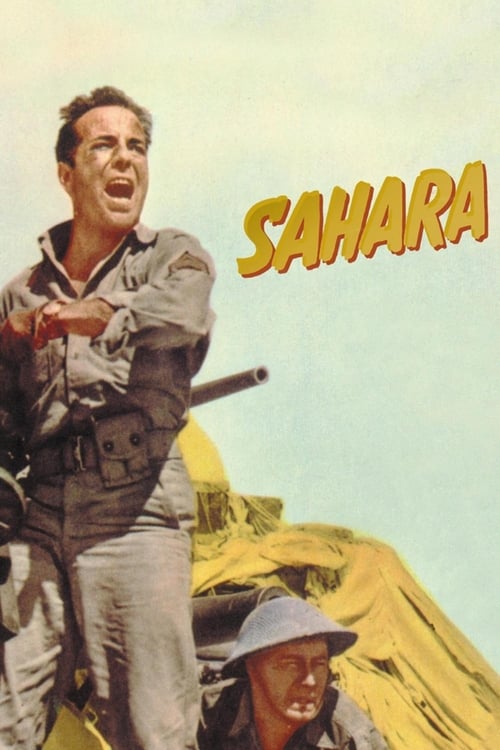
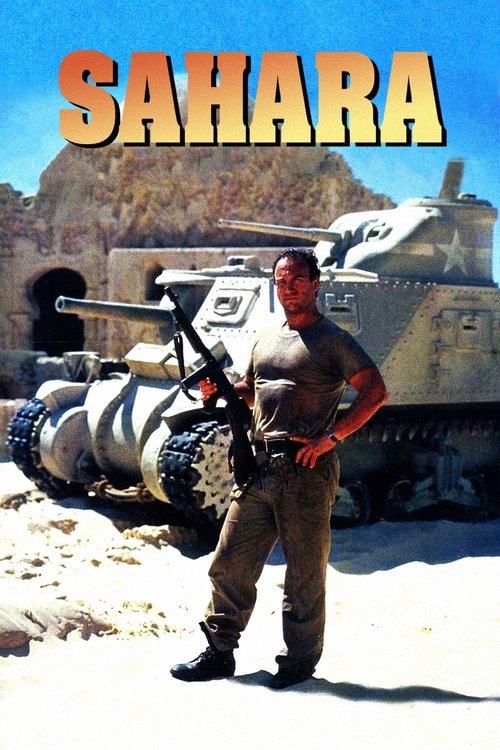
Sahara
1943
No user ratings available yet
Representation score: 0.3 out of 10
Representation Score
Minimal
1995
PG-13Director
Brian Trenchard-Smith
Runtime
106 minutes
Average Rating
No ratings yetNew Showbiz Analysis
Sahara is a conventional mid-90s action film that prioritizes genre clichés over sociological depth. The narrative centers on a strictly masculine military hierarchy, emphasizing Sergeant Joe Gunn's leadership and decision-making. The film lacks multi-layered exploration, treating the North African setting primarily as a backdrop for the conflict between Allied and Axis forces. Representation of race and culture remains limited to Western military perspectives. Ultimately, the film functions as a standard exploration of wartime survival. It does not provide meaningful representation for underrepresented groups or disrupt social norms.
Category Breakdown
The film adheres to the social norms of its 1942 setting and does not include any queer narratives or non-cisgender identities.
Male characters such as Sergeant Joe Gunn hold most of the leadership positions, reinforcing traditional gender roles and patriarchal authority.
The cast is predominantly white, reflecting the cinematic norms of the time. The North African setting is used primarily as a backdrop without much depth or ability to act for non-white characters.
The story follows traditional Western military and nationalist frameworks, focusing on wartime survival and duty without challenging Western institutions.
Characters are defined by their physical stamina and combat utility, with no representation of characters with visible or invisible disabilities.
Present on Screen
Limited or Absent
Official Synopsis
After the fall of Tobruk in June 1942, U.S. Army sergeant Joe Gunn leads his tank into the Sahara desert, in order to evade advancing Rommel's forces and reach Allied lines. Along the way he picks up few Allied soldiers, but soon they are running out of water. They find water at the ancient well, but the well is a goal of an entire German battalion. Despite the impossible odds, Sergeant Gunn decides to defend the well.
1943
1958

1953
1939
1967
1967

1972
1944
No reviews yet. Be the first to share your thoughts on this movie!
Use the rating form above to leave a star rating and optional review.