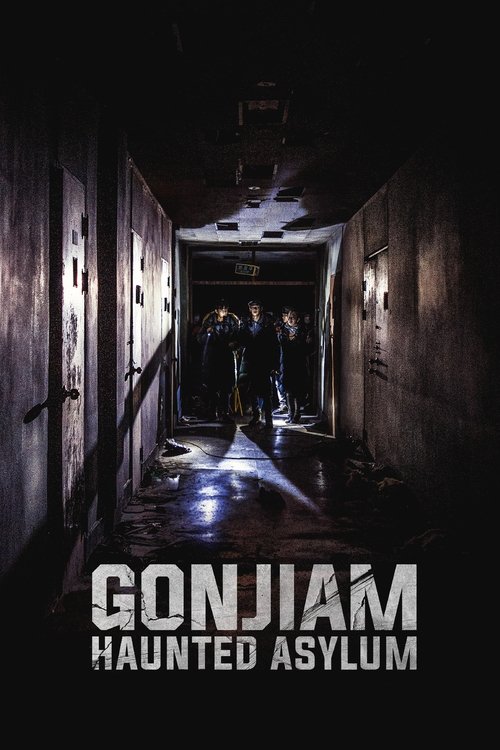
Gonjiam: Haunted Asylum
2018
No user ratings available yet
Representation score: 5.0 out of 10
Representation Score
Good
2024
Director
Han Dong-seok
Runtime
102 minutes
Average Rating
No ratings yetNew Showbiz Analysis
The film stands out by deeply engaging with Korean shamanism, creating a unique spiritual atmosphere that diverges from Western supernatural themes. However, the film lacks representation of disabilities, LGBTQ+ identities, and multi-ethnic diversity, focusing instead on situational survival.
Category Breakdown
The film does not include explicit LGBTQ+ characters or narratives. The plot focuses on the survival of the ensemble cast without delving into non-straight relationships.
The main cast features a balanced mix of male and female characters, with Kim Yoon-hye taking a leading role. While female characters display strength, the film does not explore specific gender power dynamics.
As a South Korean production, the film does not have a multi-ethnic cast. It stays within its cultural context without seeking broader ethnic diversity.
The film incorporates Muism and indigenous shamanistic beliefs, which deviates from Western horror clichés by emphasizing local spiritual practices.
There are no characters with visible or invisible disabilities in the film. The ensemble does not include neurodivergent or physically disabled individuals.
Present on Screen
Limited or Absent
Official Synopsis
A group of actors and production staff, upon arriving at a rural abandoned school for filming, find themselves enveloped in a mysterious energy from the first day of filming itself. The situation takes a drastic turn after they encounter an entity that should not have been awakened. They now strive to escape from it.
2018
2019
2024
2019
2021
2018
2021
2015
No reviews yet. Be the first to share your thoughts on this movie!
Use the rating form above to leave a star rating and optional review.