Peacock
2025
No user ratings available yet
Representation score: 6.0 out of 10
Representation Score
Fair
2013
Director
Sam Garbarski
Runtime
95 minutes
Average Rating
No ratings yetNew Showbiz Analysis
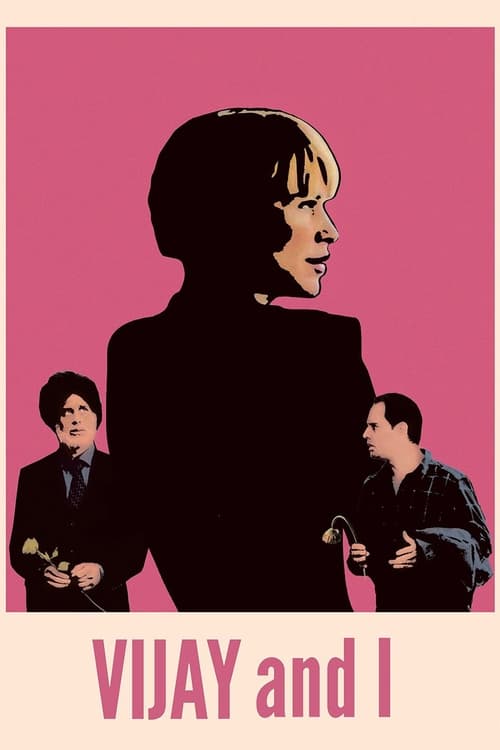
Vijay and I is a character-driven dramedy that uses identity as a tool for social commentary. The film's strength lies in its willingness to deconstruct the stable self through racial and cultural performance. While the film excels at exploring ethnic dynamics and subverting male clichés, it remains limited in its explicit representation of LGBTQ+ identities. The narrative focuses more on the fluidity of persona than on specific queer lived experiences. Ultimately, the film provides a nuanced look at how social perception is tied to outward markers of race and gender, making it a thoughtful, if complex, exploration of identity.
Category Breakdown
The film explores identity fluidity through the protagonist's persona shifts. However, it lacks explicit queer romance or markers of non-straight identity.
The narrative challenges traditional masculine stereotypes by showing the protagonist as inadequate and petulant. It then examines a reconstructed, socially integrated masculinity.
The story uses racial performance as a central device, following a white actor who adopts a Sikh identity. This highlights how social perception changes based on ethnicity.
The film critiques Western social structures and the performative nature of family bonds. It uses the protagonist's cultural transformation to examine social assimilation.
There are no visible or invisible disabilities central to the narrative arc.
Present on Screen
Limited or Absent
Official Synopsis
Wilhelm Wilder (Will) is a talented actor stuck on a New York City children's TV show where he portrays Bad Luck Bunny, a hapless green rabbit. Feeling a failure, he bears his fate with touching self-irony, but grows sulky and petulant when he thinks that his wife, daughter and all his friends have forgotten his 40th birthday. In the confusion following a road accident, all the world believes he is dead. Instead of rectifying the situation, he decides to fulfill a fantasy and attend his own funeral. Here he will learn what everyone really thinks of him. With the aid of his best friend Rad, an Indian restaurant-owner, Will becomes Vijay Singh, a handsome and gentlemanly Sikh, complete with turban and beard. Will confronts a unique problem: everyone likes Vijay, and most of all, he likes Vijay, more than he ever liked himself.
2025
1997

2012

2009

2014

2024
2015
2024
No reviews yet. Be the first to share your thoughts on this movie!
Use the rating form above to leave a star rating and optional review.