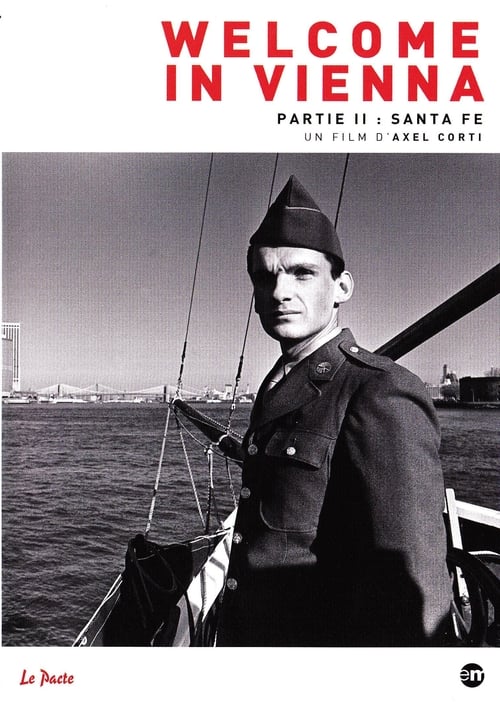
Santa Fe
1987
No user ratings available yet
Representation score: 7.9 out of 10
Representation Score
Fair
1982
Director
Axel Corti
Runtime
109 minutes
Average Rating
No ratings yetNew Showbiz Analysis
Axel Corti’s film is a sophisticated critique of mid-century European power structures. It dismantles the myth of stable institutions, focusing instead on the ability to act of displaced individuals navigating systemic collapse. The narrative effectively uses the outsider perspective to challenge conventional historical myths. By centering on the precarious movement of Jewish refugees, the film highlights the vulnerability of underrepresented identities during the rise of National Socialism. While the film excels in depicting ethnic and cultural depth, it lacks visible representation regarding LGBTQ+ identities and disability. The focus remains strictly on the historical realities of Jewish displacement and the erosion of traditional safety nets.
Category Breakdown
The film focuses on the survival of Jewish refugees during the Holocaust and does not include any explicit non-straight identities or queer-coded subtext.
The story is centered around male characters like Ferry Tobler and his collaborators. However, it avoids portraying women as passive by highlighting the intellectual skills needed to navigate state persecution.
The film centers on a non-Anglo-Saxon, Jewish protagonist to critique historical homogeneity. It provides a nuanced look at ethnic displacement as refugees move through various cities.
The story explores moral relativism and questions religious certainty. It shows the failure of the church and state to protect individuals from the corrupt Nazi regime.
There is no indication that disability, neurodivergence, or chronic illness are central themes or character traits in this work.
Present on Screen
Limited or Absent
Official Synopsis
After his father is murdered by the Nazis in 1938, a young Viennese Jew named Ferry Tobler flees to Prague, where he joins forces with another expatriate and a sympathetic Czech relief worker. Together with other Jewish refugees, the three make their way to Paris, and, after spending time in a French prison camp, eventually escape to Marseille, from where they hope to sail to a safe port.
1987

2019

1997
1998

2001
1987

1976

1941
No reviews yet. Be the first to share your thoughts on this movie!
Use the rating form above to leave a star rating and optional review.