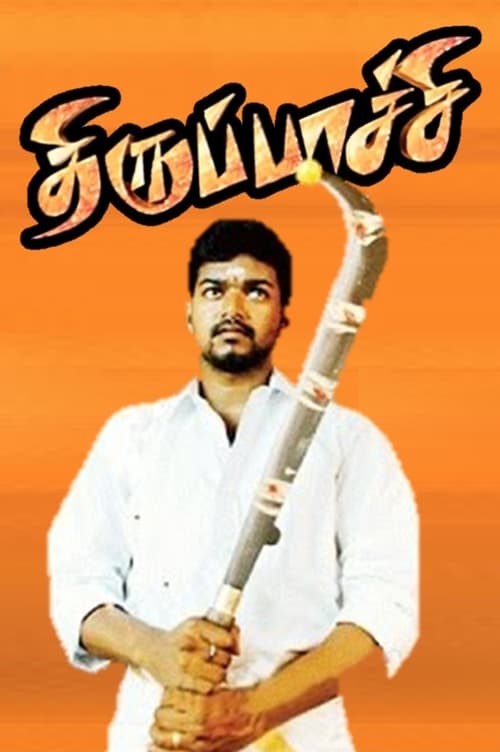
Thirupaachi
2005
No user ratings available yet
Diversity score: 2.7 out of 10

2013
Director
M. Muthaiah
Runtime
150 minutes
Average Rating
No ratings yetSynopsis
After losing her husband at a young age, Deivanai protects her son Puli so that he doesn't get embroiled in violence and village politics. Unfortunately, Puli follows his deceased father's footsteps.
Overall Score
Limited
Category Breakdown
LGBTQ+ Representation
The film lacks any presence of non-heteronormative identities. Character dynamics focus entirely on traditional familial and romantic structures without queer subtext.
Gender Representation
Gender hierarchies remain traditional, with the male protagonist acting as the primary agent of change. Female characters like Deivanai are defined by maternal sacrifice and reactive roles.
Racial & Ethnic Diversity
The cast provides authentic representation of the South Indian regional demographic. However, the film mirrors its immediate environment without attempting to subvert established social or ethnic norms.
Religious & Cultural Diversity
The narrative celebrates localized, hero-led justice and traditional family honor. Religious imagery and temple culture are used to reinforce social cohesion rather than questioning institutional power.
Disability Representation
There is no evidence of characters with visible or invisible disabilities. Disability is not utilized as a thematic device within the story.
Strengths
Areas for Improvement
AI Analysis
Kutti Puli is a traditionalist action-thriller that prioritizes genre conventions over social subversion. The narrative architecture relies on patriarchal protectionism and the archetype of the masculine hero, reinforcing existing social hierarchies rather than challenging them. While the film offers an authentic depiction of rural South Indian life, its portrayal of gender and culture remains conservative. Female agency is largely reactive to the male-driven plot, and justice is framed through individual strength rather than systemic reform. Ultimately, the film functions as a culturally specific piece that mirrors its immediate environment. It adheres to established tropes of rural honor and communal stability, offering little in the way of intersectional or progressive representation.
2005

2011
2016

2016
2007
2008
2013

2011
2016
2022
2021
2007
No reviews yet. Be the first to share your thoughts on this movie!
Use the rating form above to leave a star rating and optional review.