
Dirty God
2019
No user ratings available yet
Representation score: 9.6 out of 10
Representation Score
Excellent
2020
Director
Molly Manning Walker
Runtime
13 minutes
Average Rating
No ratings yetNew Showbiz Analysis
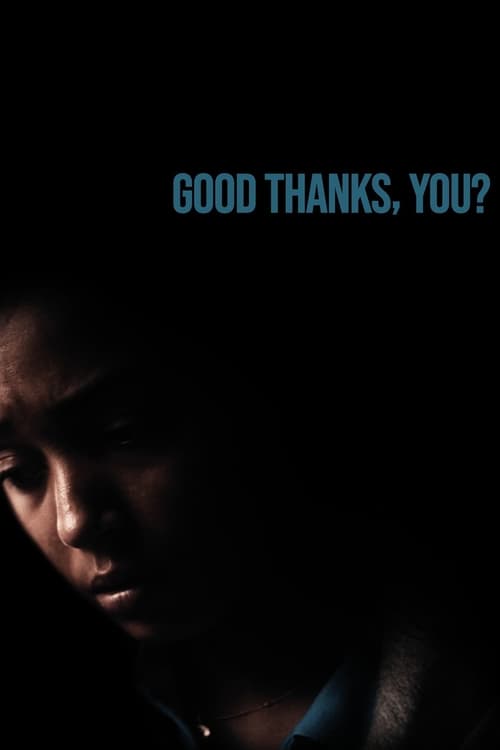
Good Thanks, You? is a character-driven drama that prioritizes multi-layered casting and the subversion of traditional clichés. By centering a diverse ensemble, the film avoids the homogeneous casting often found in dramatic shorts. The narrative focuses on a female protagonist navigating the aftermath of an attack. Rather than portraying her as a passive victim, the film uses her loss of voice to explore themes of ability to act and systemic failure. While the film shows significant strength in racial and gender representation, the depth of its LGBTQ+ and disability portrayals remains tied to the specific execution of the character's recovery arc.
Category Breakdown
The casting of T'Nia Miller suggests a potential for exploring queer identity. While specific character arcs are not detailed, her inclusion hints at nuanced representation.
The film centers on Amy, a female protagonist reclaiming her role after an attack. It challenges the passive victim cliché by making her recovery the driving force of the narrative.
A diverse, multi-ethnic ensemble including Jasmine Jobson and Micheal Ward disrupts traditional Anglo-centric casting. This approach suggests a lens that moves away from conventional Western norms.
The story critiques social and institutional structures through the incompetence Amy faces. This focus highlights individual trauma over the reliability of traditional social institutions.
The film explores situational disability through Amy's loss of voice following a traumatic event. This communicative barrier serves as a central element of her character's struggle and ability to act.
Present on Screen
Limited or Absent
Official Synopsis
In the aftermath of an attack, Amy is left voiceless, trapped in a whirlwind of incompetence. She must find a way to confront what has happened, in order to save what matters to her most.
2019

2022

2019

2014

2018
2020

2018

2023
No reviews yet. Be the first to share your thoughts on this movie!
Use the rating form above to leave a star rating and optional review.