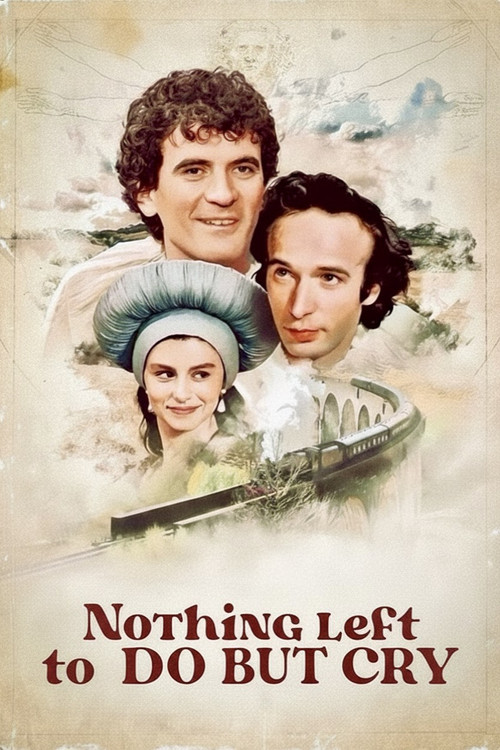
Nothing Left to Do But Cry
1984
No user ratings available yet
Representation score: 5.4 out of 10
Representation Score
Fair
2004
Director
Miklós Jancsó
Runtime
82 minutes
Average Rating
No ratings yetNew Showbiz Analysis
Miklós Jancsó’s work serves as a cinematic deconstruction of power and historical mythos. It prioritizes a systemic analysis of historical inevitability over traditional demographic representation. The film excels in cultural sophistication by using a postmodern lens to challenge nationalistic myths. It avoids presenting history as a simple struggle between absolute good and evil. However, the film remains limited by its heavy reliance on masculine military structures. It offers very little engagement with gender diversity or LGBTQ+ identities.
Category Breakdown
The film focuses on historical military conflicts between Hungarian and Ottoman forces. There is no presence of LGBTQ+ identities or same-sex relationships in the plot.
The movie centers on male-dominated military hierarchies and combat. Women are largely absent from key leadership roles and frontline action.
The film captures the ethnic complexity of the clash between Hungarian and Ottoman empires. It presents a multi-polar view of the conflict rather than a single Eurocentric perspective.
The film deconstructs national myths by presenting the clash between Christianity and Islam through historical determinism. It avoids religious exceptionalism and instead emphasizes moral relativism.
There is no evidence of characters with disabilities playing significant roles in the film. The focus remains on tactical movements and large-scale military actions.
Present on Screen
Limited or Absent
Official Synopsis
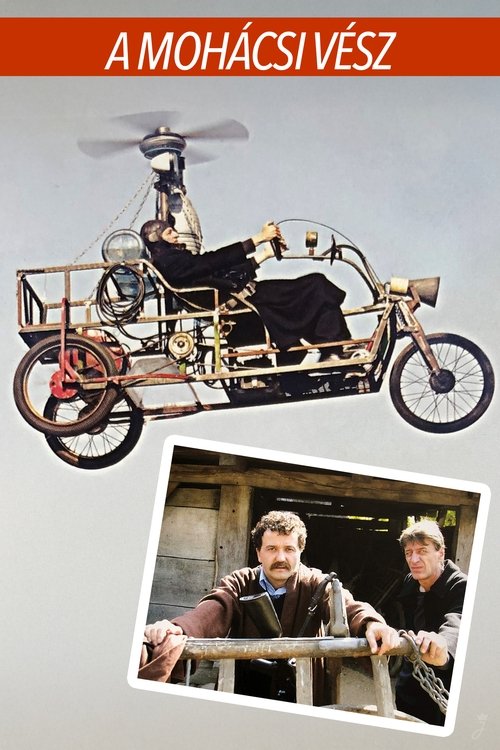
By the notes of Fiáth Pompeiusz, the one-time friend of Kapa and Pepe, Professor Szirtes has solved the secret of the time machine, and he realizes the invention relying on "special" H2O. Kapa and Pepe shall return by it into the past in order to set time right, which is out of joint, that is, to correct history, to save King Louis II, and prevent the Mohács Disaster. Pepe yields to the not too tender persuasion to enter upon the great journey through time, dies and revives, and they arrive at the battlefield of Mohács in time. Kapa films the events. The Turks win and cut off the king’s, Pepe’s, head, still the Hungarians dictate the peace treaty. Kapa and Pepe want to return, they fill the time machine up with water from the well, yet it won’t start. Even so Kapa and Pepe hover over Budapest and quarrel.
1984
1973
2023
2001
1931
1981

2017

2001
No reviews yet. Be the first to share your thoughts on this movie!
Use the rating form above to leave a star rating and optional review.