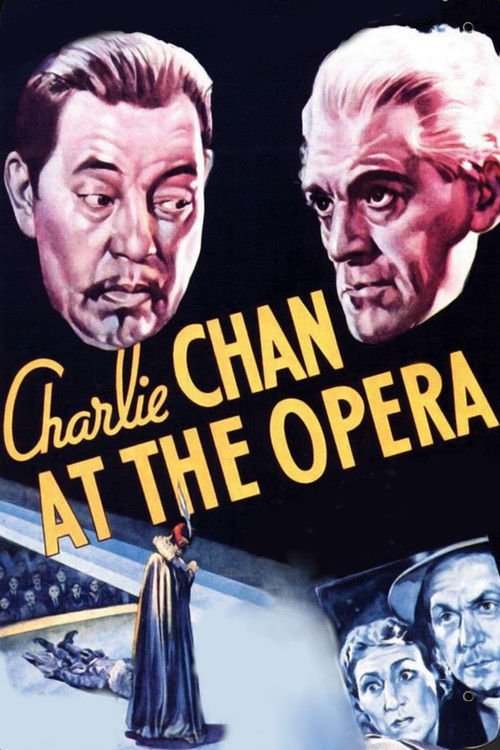
Charlie Chan at the Opera
1936
No user ratings available yet
Diversity score: 2.7 out of 10
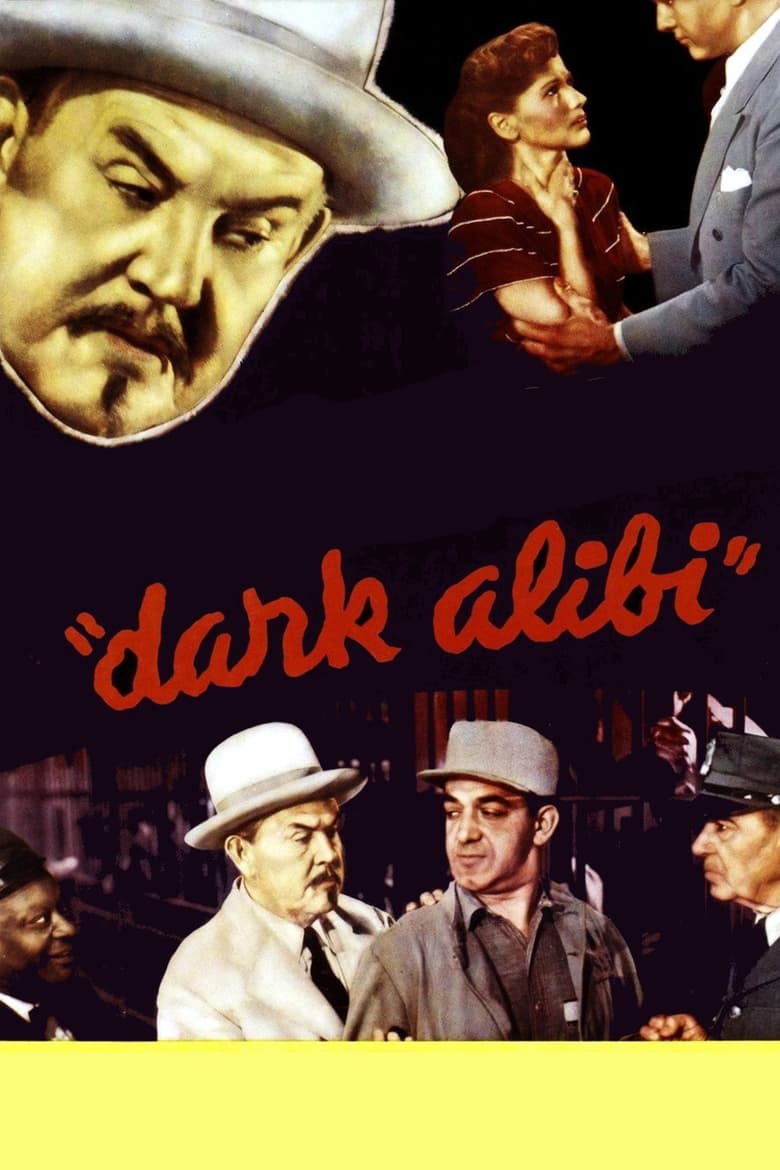
1946
NRDirector
Phil Karlson
Runtime
61 minutes
Average Rating
No ratings yetSynopsis
After three men are convicted of bank robberies, Charlie becomes suspicious. After some investigation Charlie finds the men are innocent and that the fingerprint evidence used to convict them had been forged. Charlie then proceeds to find the true bank robbers.
Overall Score
Limited
Category Breakdown
LGBTQ+ Representation
The film lacks LGBTQ+ characters or narratives. It operates within the standard social frameworks of the post-war era, where such identities were largely absent from mainstream genre features.
Gender Representation
The narrative centers on a male protagonist driving the investigation. Female characters appear to serve secondary or domestic roles within a conventional patriarchal structure.
Racial & Ethnic Diversity
The story focuses on bank robbery and forensic investigation without mentioning a diverse cast. It likely reflects the homogeneous casting norms of the mid-1940s.
Religious & Cultural Diversity
The film explores the fallibility of legal institutions through forged evidence. However, it prioritizes restoring legal order rather than critiquing broader societal or Western institutions.
Disability Representation
There is no information regarding characters with physical or neurodivergent disabilities.
Strengths
Areas for Improvement
AI Analysis
Dark Alibi is a traditional mid-century crime procedural that adheres strictly to the genre conventions of 1946. The plot focuses on a male-driven investigation into bank robbery and forged fingerprint evidence, emphasizing individual agency and the restoration of legal order. The film lacks intersectional complexity, offering little representation of LGBTQ+ identities, diverse racial backgrounds, or non-traditional gender roles. It functions as a standard noir-adjacent mystery that operates within the homogeneous social norms of its era. While the film critiques systemic errors within the justice system, it does so through a classic mystery lens rather than a broader social or cultural deconstruction.
No reviews yet. Be the first to share your thoughts on this movie!
Use the rating form above to leave a star rating and optional review.