
Watch List
2019
No user ratings available yet
Diversity score: 7.0 out of 10
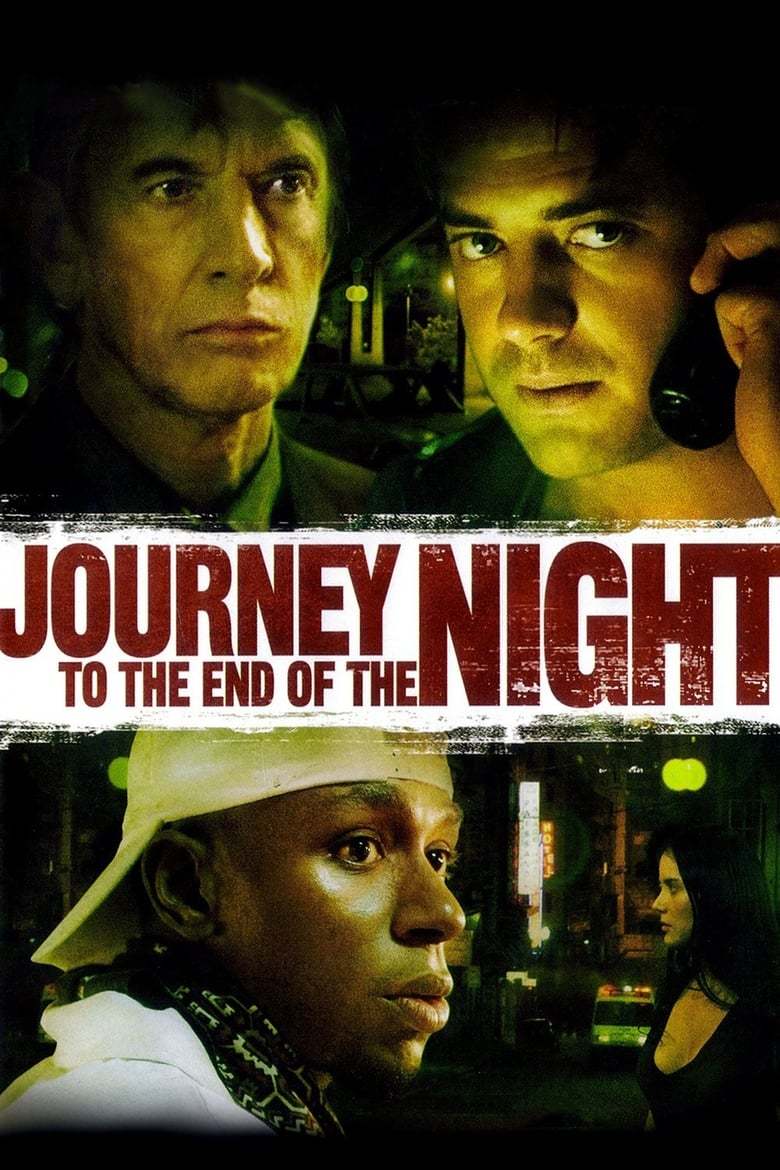
2006
RDirector
Eric Eason
Runtime
88 minutes
Average Rating
No ratings yetSynopsis
In a dark and decadent area of São Paulo, the exiled Americans Rosso and his son Paul own a brothel. Paul is a compulsive gambler addicted in cocaine and his father is married with the former prostitute Angie, and they have a little son. When a client is killed by his wife in their establishment, they find a suitcase with drugs.
Overall Score
Good
Category Breakdown
LGBTQ+ Representation
The film features Nazda, a trans woman, whose encounter serves as a pivotal plot catalyst. Rather than acting as a punchline, she is integrated into the central tension of the drug negotiation.
Gender Representation
Female characters like Angie and the Russian client's wife possess agency that drives the plot's volatility. However, the story remains heavily centered on masculine-coded worlds of gambling and drug trafficking.
Racial & Ethnic Diversity
The setting in São Paulo facilitates a multi-ethnic narrative involving Americans, Russians, and African buyers. Wemba, a Nigerian dishwasher, becomes a primary agent of the plot, disrupting traditional racial hierarchies.
Religious & Cultural Diversity
The film critiques Western stability by portraying exiled Americans in a state of decadence. It replaces traditional institutions with the transactional, nihilistic logic of a gritty underworld.
Disability Representation
There is no significant evidence regarding the portrayal of visible or invisible disabilities within the narrative.
Strengths
Areas for Improvement
AI Analysis
The film distinguishes itself from standard Western thrillers by utilizing a globalized, multi-ethnic cast and setting. By centering a Nigerian immigrant in a high-stakes criminal enterprise, the narrative disrupts traditional power hierarchies. While the film explores complex identities and non-traditional domestic structures, it remains anchored in a masculine-coded underworld. The focus on addiction and crime provides a dark critique of capitalist stability and the American dream. Ultimately, the work functions as transgressive cinema. It challenges conventional expectations through its emphasis on systemic instability and the subversion of social hierarchies.
2019
2012
2008
1989

2010
1982

2023
1972
1990

1997
1975

2000
No reviews yet. Be the first to share your thoughts on this movie!
Use the rating form above to leave a star rating and optional review.