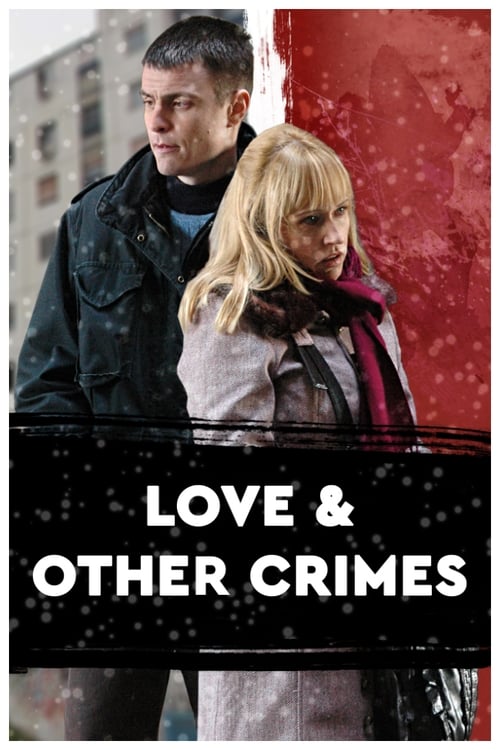
Love and Other Crimes
2008
No user ratings available yet
Representation score: 5.7 out of 10

Representation Score
Good
2014
Director
Srđan Dragojević
Runtime
94 minutes
Average Rating
No ratings yetNew Showbiz Analysis
From Zero to Hero is a biting social satire that prioritizes regional ethnic tensions and the erosion of morality over contemporary identity politics. It uses character histories to mirror the complex, post-conflict Balkan landscape. The film's strength lies in its sophisticated critique of capitalism, showing how commercial greed clashes with human empathy. It avoids simple clichés by centering the plot on professional blackmail and the psychological weight of war trauma. However, the film lacks representation for LGBTQ+ identities and uses medical emergencies primarily as plot devices. While gender dynamics are nuanced, they remain heavily influenced by a patriarchal corporate structure.
Category Breakdown
The film does not include any LGBTQ+ characters or themes related to non-straight identities. The main conflict revolves around a traditional affair and disrupts conventional marital structures.
Sonja uses her professional skills and infidelity to assert herself, but the narrative is still shaped by a male-dominated corporate hierarchy where power is wielded through coercion and blackmail.
Ethnic tension drives character interactions, particularly through the friction between Mladen and Omer. The film explores the regional ethnic landscape through these post-conflict identities.
The film sharply critiques neoliberalism and predatory capitalism. It highlights the clash between profit-seeking and human tragedy within a corrupt professional environment.
A child's medical emergency serves as a narrative catalyst for ethical dilemmas. The illness primarily functions as a backdrop for adult conflict rather than a study of independent ability to act.
Present on Screen
Limited or Absent
Official Synopsis
Mladen (44) Belgrade born, is a timeshare salesman at Montenegrin Holiday resort. He is having an affair with his colleague, Sonja (40), who is married to Metod (50) the chief sales manager who learns about his wife's infidelity. He assigns Mladen the toughest client - Omer, a Bosnian war veteran, who doesn't try to hide his aversion to Mladen. Everything becomes hopeless when Omer's three year old son Svendy falls over the edge of the hotel terrace and ends up in a hospital. Grim mood that prevails among the potential buyers is about to ruin the sales. Sonja and Metod blackmail Mladen to continue the sales at the hospital while Omer and his wife are waiting for their son's operation.
2008
2004
1997

2000

2014
2014
2015

2012
No reviews yet. Be the first to share your thoughts on this movie!
Use the rating form above to leave a star rating and optional review.