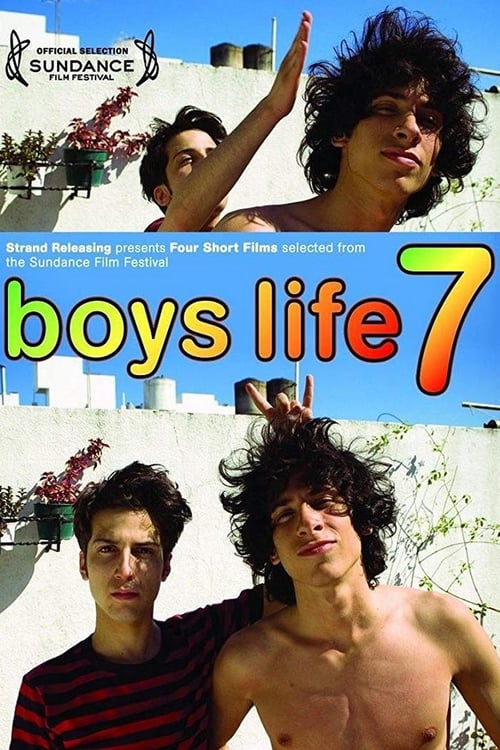
Boys Life 7
2010
No user ratings available yet
Representation score: 9.1 out of 10

Representation Score
Good
2007
Director
Daniel Falcone, George Barbakadze, David M. Young, Hong Khaou, Eric Rognard, Sven J. Matten, Judd King
Runtime
104 minutes
Average Rating
No ratings yetNew Showbiz Analysis
Boy Crush offers a sophisticated global exploration of queer adolescence. Using a multi-national setting, the anthology avoids a singular portrayal of identity, instead examining how different geopolitical contexts shape the negotiation of self. The work excels at depicting the tension between individual autonomy and systemic pressures. It goes beyond simple representation to explore the nuanced vulnerabilities and resilience needed to navigate straight-centered spaces. While the focus is primarily on young men, the collection effectively challenges traditional gender expectations by highlighting emotionality and the risks associated with social acceptance.
Category Breakdown
The anthology focuses on the experiences of gay youth, exploring the complexities of coming out and the varied social consequences, from successful integration to the risk of violence.
The collection challenges traditional hierarchies by emphasizing male vulnerability. It examines the breakdown of masculine roles through themes of intimacy and emotional labor.
A global perspective highlights how overlapping racial, national, and sexual identities affect queer lives. Narratives involving immigration underscore the intersections of these identities.
The films prioritize individual authenticity over institutional conformity. Traditional structures like the nuclear family and national borders are shown as barriers to personal freedom.
There is no explicit depiction of physical or neurodivergent disabilities in the provided material.
Present on Screen
Limited or Absent
Official Synopsis
Seven short films in which gay youths and young men negotiate society, sometimes successfully, sometimes not. In several, teen boys come out, perhaps first to a close friend - how will the friends react? For some youths, coming out risks violence. In two films, love is thwarted - by mother, in one, and by immigration, in another. The collection includes "Summer" (Great Britain), "Night Swimming" (USA), "Running Without Sound" (USA), "Out Now" (Germany), "Œdipe N+1" (France), "Hitchcocked" (USA), and "The Bridge" (Australia).
2010

1994
2012

2014

2020

1994
1999
2009
No reviews yet. Be the first to share your thoughts on this movie!
Use the rating form above to leave a star rating and optional review.