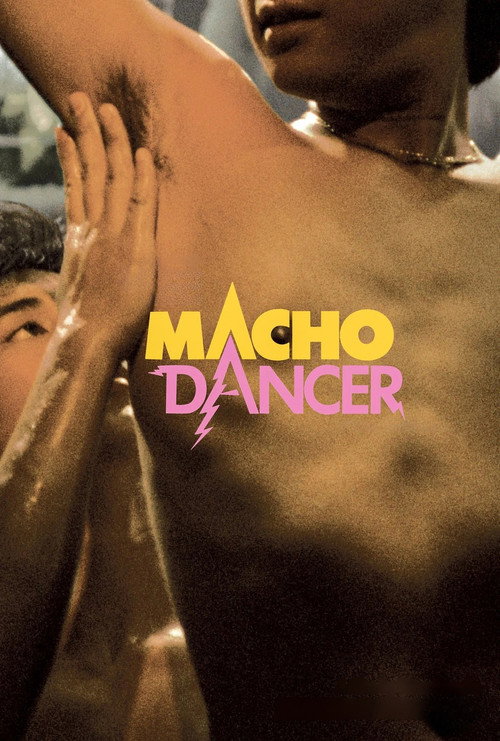
Macho Dancer
1989
No user ratings available yet
Representation score: 7.0 out of 10
Representation Score
Excellent
2008
Director
Joel Lamangan
Runtime
97 minutes
Average Rating
No ratings yetNew Showbiz Analysis
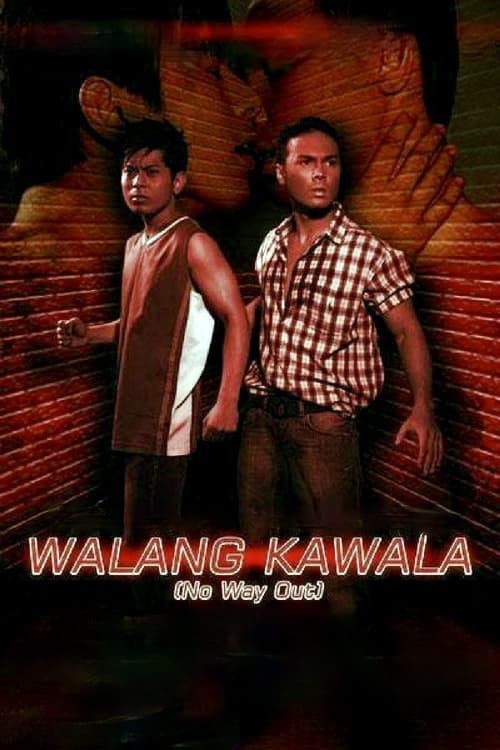
No Way Out is a gritty exploration of sexual identity and systemic corruption. It disrupts traditional social roles, particularly those of the 'protector' and the 'provider,' through its characters. The film offers a complex study of vulnerability within oppressive systems. It moves beyond sanitized romantic clichés to engage with the harsh realities of human trafficking and the exploitation of underrepresented bodies. While the film provides strong visibility for queer identities and authentic cultural perspectives, it is tempered by the depiction of regressive power dynamics and domestic abuse.
Category Breakdown
The film focuses on Joaquin's journey of self-discovery within gay communities and includes bisexual characters to explore the vulnerabilities of the queer community. This avoids including someone from a minority group without giving them real depth and offers a more nuanced perspective.
Joaquin transitions from a traditional husband role to a man in queer spaces, challenging conventional masculinity. However, the film relies on outdated depictions of domestic subjugation and submissive female roles.
As a Philippine production, the film centers a Filipino cast and explores the specific socioeconomic struggles of the Filipino working class. It avoids Western norms and highlights localized realities.
The story critiques traditional institutions by portraying the nuclear family and law enforcement as flawed or corrupt. It prioritizes personal truth over social or religious expectations.
There are no significant characters with visible or invisible disabilities in the film. The category remains neutral due to a lack of specific data.
Present on Screen
Limited or Absent
Official Synopsis
Joaquin, an unassuming fisherman, is forced to confront his homosexuality when his sex-starved wife Cynthia returns from her overseas job eager to get pregnant. His young and impulsive lover, Waldo, flees to Manila in disgust. After a month of hesitation, Joaquin leaves his wife to follow Waldo. His search takes him on a seamy yet colorful trip through Manila's gay underbelly. He discovers Waldo's dangerous flirtation with Rufo, a bisexual rogue cop who holds the clue to Waldo's disappearance. Rufo lures Joaquin into his home and introduces him to his submissive wife, Beng. A sadist who beats up Beng regularly, Rufo turns Joaquin into a prisoner and sex slave as he did to Waldo. When Joaquin is finally reunited with Waldo, he discovers that Rufo is about to sell them like fish to an international sex trafficking ring, along with his personal harem of male and female captives.
1989

2012

2014
1995
2016
2013
2006
2007
No reviews yet. Be the first to share your thoughts on this movie!
Use the rating form above to leave a star rating and optional review.